How Sam Altman Became an AI Leader
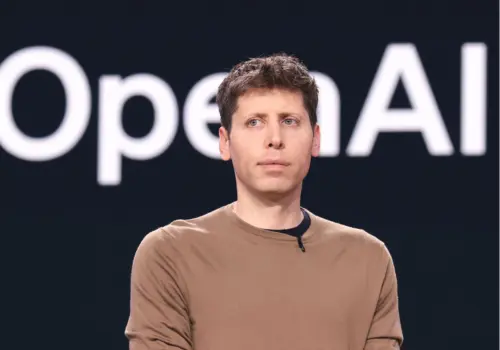
Quick Biography
| Information | Details |
|---|---|
| Full Name | Sam Altman |
| Nickname | Sam |
| Gender | Male |
| Age | 41 (as of 2026) |
| Date of Birth | April 22, 1985 |
| Profession | Entrepreneur, Investor, Technology Executive |
| Nationality | American |
| Birth Place | Chicago, Illinois, United States |
| Religion | Not publicly emphasized |
| Education | Stanford University (attended, did not graduate) |
| Known For | Leadership in Artificial Intelligence |
| Company | OpenAI |
| Previous Role | President of Y Combinator |
| Industry | Technology and Artificial Intelligence |
Introduction
Artificial Intelligence has become one of the most important technologies of the modern era, and few people have played a larger role in its rise than Sam Altman. Known for his vision, leadership, and entrepreneurial mindset, Altman has become one of the most influential figures in the technology industry.
While many people know him today because of AI and OpenAI, his journey began long before artificial intelligence became a global topic. He built his reputation as a startup founder, investor, and technology leader before stepping into the world of advanced AI.
His story is not simply about technology. It is about identifying future opportunities, supporting innovation, and helping transform ideas into products used by millions of people worldwide.
This article explores how Sam Altman became an AI leader and why his influence continues to shape the future of technology.
Early Life and Childhood


Sam Altman was born on April 22, 1985, in Chicago, Illinois, United States.
Like many future entrepreneurs, he was fascinated by how software and hardware worked.
As a child, he spent time learning about computers and experimenting with technology.
His curiosity and willingness to explore new ideas became defining characteristics of his personality.
Friends and teachers often described him as intelligent, ambitious, and highly interested in innovation.
These qualities would later help him succeed in the highly competitive technology industry.
Education and Stanford University
Education played an important role in Altman’s development.
He attended school in Missouri before later enrolling at Stanford University, one of the world’s leading universities.
At Stanford, he studied computer science.
However, like several famous technology entrepreneurs, Altman chose to leave university before completing his degree.
Rather than following a traditional academic path, he decided to focus on building a technology company.
Educational Background
| Institution | Field of Study |
|---|---|
| John Burroughs School | Secondary Education |
| Stanford University | Computer Science |
Leaving Stanford was a major decision, but it allowed him to pursue entrepreneurial opportunities full-time.
Founding His First Startup


5
In 2005, Sam Altman co-founded a startup called Loopt.
Loopt was a location-based social networking application that allowed users to share their locations with friends.
At the time, smartphones and mobile applications were still developing industries.
Although Loopt did not become a global giant, the company provided Altman with valuable experience in entrepreneurship, fundraising, product development, and leadership.
Building a startup taught him important lessons about:
- Innovation
- Team management
- Business strategy
- Product design
- Technology markets
These experiences prepared him for larger opportunities later in his career.
Learning From Entrepreneurship
Running a startup is rarely easy.
Like many founders, Altman faced challenges involving competition, funding, customer growth, and product development.
However, each challenge provided valuable learning experiences.
Entrepreneurship helped him understand how successful companies are built and how technology can solve real-world problems.
Many business experts believe these early experiences played a crucial role in shaping his future leadership style.
Rather than focusing solely on short-term success, Altman developed a reputation for thinking about long-term opportunities.
Joining Y Combinator


One of the most important turning points in Altman’s career came when he became involved with Y Combinator.
Y Combinator is one of the world’s most influential startup accelerators.
The organization helps entrepreneurs launch and grow innovative companies.
After participating as a founder, Altman later became a partner and eventually President of Y Combinator.
This position significantly expanded his influence within the technology industry.
Leading Y Combinator
As President of Y Combinator, Altman worked with thousands of entrepreneurs.
| Industry | Focus |
|---|---|
| Software | Digital Products |
| Healthcare | Medical Innovation |
| Finance | Financial Technology |
| Education | Learning Platforms |
| Artificial Intelligence | Advanced Technologies |
Many companies that passed through Y Combinator later became highly successful businesses.
Working with ambitious founders allowed Altman to identify emerging technology trends before they became mainstream.
His leadership at Y Combinator established him as one of Silicon Valley’s most respected figures.
Developing an Interest in Artificial Intelligence


While working in the technology industry, Altman became increasingly interested in artificial intelligence.
He believed AI had the potential to become one of the most transformative technologies in human history.
Many experts viewed AI as an important research field, but Altman saw possibilities that extended far beyond academic applications.
He believed advanced AI could help solve major challenges while also creating significant economic and social changes.
This belief motivated him to become deeply involved in AI research and development.
The Creation of OpenAI
One of the most important moments in Altman’s career came with the creation of OpenAI.
OpenAI was established with the goal of advancing artificial intelligence research and ensuring that powerful AI technologies benefit humanity.
Altman became one of the key leaders involved in guiding the organization’s direction.
The company’s mission attracted researchers, engineers, and experts from around the world.
OpenAI focused on advancing machine learning and developing increasingly capable AI systems.
Its work would eventually influence industries ranging from education and healthcare to software development and business operations.
OpenAI’s Growth and Global Recognition


Over time, OpenAI became one of the most recognized organizations in artificial intelligence.
Its research achievements attracted attention from governments, businesses, academics, and the public.
As AI capabilities improved, interest in the technology grew rapidly.
Millions of people began using AI-powered tools for learning, writing, coding, research, creativity, and productivity.
This growth significantly increased Altman’s visibility as a technology leader.
Many people began viewing him as one of the most influential voices in discussions about the future of artificial intelligence.
The Rise of AI in Everyday Life
The rapid adoption of AI transformed how people interact with technology.
Today, AI is used in:
| Area | Examples |
|---|---|
| Education | Learning Assistance |
| Business | Productivity Tools |
| Healthcare | Research and Analysis |
| Software Development | Coding Assistance |
| Content Creation | Writing and Design |
As these technologies became more common, Altman’s role in shaping the industry became increasingly important.
His leadership helped guide discussions about innovation, responsibility, and the future impact of AI systems.
Leadership Style and Vision


One reason for Altman’s success is his leadership style.
He is often described as:
- Visionary
- Analytical
- Forward-thinking
- Practical
- Innovative
Rather than focusing only on current technology trends, Altman frequently discusses long-term developments.
His ability to think about future possibilities has helped him identify opportunities before many others.
Supporters often praise his willingness to explore ambitious goals and invest in transformative technologies.
Challenges and Responsibilities
Leading an AI organization comes with significant responsibilities.
As AI becomes more powerful, important questions arise about:
- Safety
- Ethics
- Regulation
- Privacy
- Economic Impact
Technology leaders must consider how innovations affect society.
Altman has frequently participated in public discussions about responsible AI development and the challenges associated with advanced technologies.
Balancing innovation with responsibility remains one of the most important issues facing the AI industry today.
Global Influence


Today, Sam Altman’s influence extends far beyond Silicon Valley.
Government officials, business executives, researchers, and entrepreneurs frequently pay attention to his views on technology and innovation.
His ideas influence conversations about:
- Artificial Intelligence
- Economic Growth
- Scientific Research
- Technology Policy
- Future Innovation
As AI continues evolving, his role in these discussions remains highly significant.
Interesting Facts About Sam Altman
| Fact | Details |
|---|---|
| Birth Year | 1985 |
| Birth City | Chicago |
| First Startup | Loopt |
| University | Stanford |
| Startup Accelerator | Y Combinator |
| Industry | Technology |
| Known For | AI Leadership |
| Global Influence | Artificial Intelligence |
Why Sam Altman Became an AI Leader
Several factors contributed to Altman’s success.
Entrepreneurial Experience
Building startups taught him valuable business skills.
Technology Expertise
His background helped him understand emerging innovations.
Leadership Ability
He successfully guided organizations and teams.
Long-Term Vision
Altman consistently focused on future opportunities.
Commitment to Innovation
He embraced new ideas and supported ambitious projects.
Together, these qualities helped establish him as one of the most influential figures in AI.
Legacy and Future Impact
Although artificial intelligence is still evolving rapidly, Sam Altman’s impact on the field is already substantial.
His leadership has helped bring AI into mainstream discussions and accelerate technological progress.
Future historians may view this period as one of the most significant technological transformations in history.
If so, Altman will likely be remembered as one of the leaders who helped guide that transformation.
His influence continues to shape how businesses, governments, and individuals think about the future of artificial intelligence.
Conclusion
Sam Altman’s journey from a technology enthusiast and startup founder to one of the world’s leading AI figures is a remarkable story of vision, innovation, and leadership.
Through entrepreneurship, startup mentorship, and leadership in artificial intelligence, he has played a major role in shaping one of the most important technologies of the modern age.
His ability to identify opportunities, support innovation, and think about long-term challenges has helped him become one of the most influential voices in technology.
As artificial intelligence continues transforming industries and societies, Sam Altman’s role as an AI leader will remain an important part of the story of modern technological progress.