How Tim Cook Led Apple After Steve Jobs
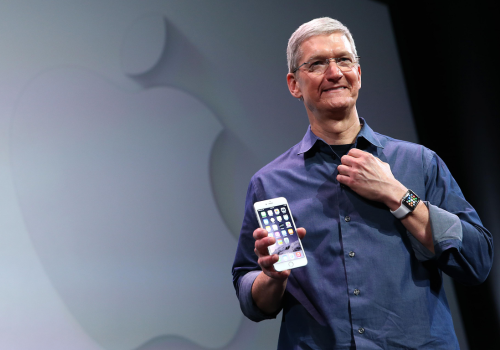
Quick Biography
| Information | Details |
|---|---|
| Full Name | Timothy Donald Cook |
| Nickname | Tim Cook |
| Gender | Male |
| Age | 65 (as of 2026) |
| Date of Birth | November 1, 1960 |
| Profession | Business Executive |
| Nationality | American |
| Birth Place | Mobile, Alabama, United States |
| Religion | Christianity |
| Education | Industrial Engineering and Business Administration |
| Famous For | CEO of Apple Inc. |
| Known As | Successor to Steve Jobs |
| Industry | Technology |
| Current Role | Chief Executive Officer of Apple |
Introduction
Taking over one of the world’s most successful companies is never easy, especially when the previous leader was a visionary like Steve Jobs. When Tim Cook became the CEO of Apple in 2011, many people wondered whether he could continue the company’s success.
At the time, Apple was already one of the most recognized technology brands in the world. Steve Jobs had transformed the company through revolutionary products such as the iPhone, iPad, and Mac.
The challenge for Tim Cook was enormous. He needed to maintain Apple’s momentum while guiding the company into a new era.
Over the years, Cook proved that leadership can take many forms. Rather than trying to copy Steve Jobs, he developed his own management style and focused on long-term growth, operational excellence, and innovation.
Today, Apple remains one of the world’s most valuable companies, and much of that success is credited to Tim Cook’s leadership.
This article explores how Tim Cook led Apple after Steve Jobs and built upon one of the greatest business legacies in history.
Early Life and Childhood


Tim Cook was born on November 1, 1960, in Mobile, Alabama, United States.
He grew up in a modest family where hard work and education were highly valued.
As a student, Cook showed strong academic abilities and a disciplined work ethic.
Unlike many future technology leaders, he was not primarily known for inventing products. Instead, he excelled at organization, problem-solving, and efficiency.
These qualities would later become key strengths in his business career.
His early experiences taught him the importance of persistence and careful planning.
Education and Career Preparation
Cook pursued higher education and developed strong technical and business skills.
His studies focused on engineering and business management.
Skills Developed During Education
| Skill | Benefit |
|---|---|
| Engineering Knowledge | Problem Solving |
| Analytical Thinking | Better Decisions |
| Business Understanding | Leadership Growth |
| Organization | Operational Efficiency |
| Strategic Planning | Long-Term Success |
These skills prepared him for leadership roles in major corporations.
His education laid the foundation for his future success in the technology industry.
Early Professional Career


Before joining Apple, Tim Cook gained valuable experience working in several major companies.
These positions helped him understand:
- Supply chains
- Manufacturing
- Operations management
- Business strategy
- Organizational leadership
His reputation for efficiency and problem-solving continued to grow.
Many colleagues admired his ability to improve business performance and streamline operations.
These experiences made him an attractive candidate for leadership positions.
Joining Apple
One of the most important moments in Cook’s career came when he joined Apple in 1998.
At that time, Apple was still recovering from significant business challenges.
Steve Jobs recognized Cook’s exceptional management skills and brought him into the company.
Early Contributions at Apple
| Contribution | Impact |
|---|---|
| Supply Chain Improvement | Higher Efficiency |
| Inventory Management | Cost Reduction |
| Global Operations | Better Performance |
| Manufacturing Strategy | Increased Productivity |
These improvements strengthened Apple’s operations and supported future growth.
Cook quickly became one of the company’s most trusted executives.
Working Alongside Steve Jobs


For many years, Cook worked closely with Steve Jobs.
This partnership allowed him to learn from one of the most influential entrepreneurs in history.
While Jobs focused heavily on product innovation and design, Cook specialized in operations and execution.
Their skills complemented each other perfectly.
Together, they helped transform Apple into a global technology powerhouse.
The experience also prepared Cook for future leadership responsibilities.
Becoming CEO of Apple
In 2011, Tim Cook officially became Apple’s CEO.
The transition attracted enormous attention from investors, media organizations, and technology experts.
Many people questioned whether anyone could successfully follow Steve Jobs.
Challenges Facing Cook
| Challenge | Importance |
|---|---|
| Maintaining Growth | Investor Confidence |
| Continuing Innovation | Market Leadership |
| Global Expansion | Future Opportunities |
| Product Development | Customer Satisfaction |
| Company Culture | Long-Term Stability |
The pressure was immense, but Cook approached the role with confidence and determination.
Creating His Own Leadership Style


Rather than trying to imitate Steve Jobs, Cook developed his own leadership approach.
His style focused on:
- Collaboration
- Transparency
- Operational excellence
- Employee development
- Long-term planning
This approach helped create a stable environment within the company.
Employees appreciated his calm and thoughtful leadership.
Over time, his management style earned widespread respect.
Expanding Apple’s Product Ecosystem
One of Cook’s major accomplishments was expanding Apple’s ecosystem of products and services.
The company continued developing innovative technology while strengthening connections between devices.
Areas of Growth
| Category | Impact |
|---|---|
| Smartphones | Market Leadership |
| Wearable Devices | New Opportunities |
| Digital Services | Recurring Revenue |
| Software Ecosystem | Customer Loyalty |
| Cloud Solutions | Enhanced Experience |
These developments helped Apple remain competitive in a rapidly changing industry.
Growing Apple’s Services Business


Under Cook’s leadership, Apple significantly expanded its services business.
This strategy reduced dependence on hardware sales and created new revenue streams.
Services became an important part of Apple’s long-term growth strategy.
Benefits included:
- Increased customer engagement
- Recurring revenue
- Stronger ecosystem integration
- Greater user loyalty
- Business diversification
This shift strengthened Apple’s overall business model.
Focusing on Sustainability
Tim Cook has also emphasized environmental responsibility.
Apple invested in initiatives designed to reduce its environmental impact.
Sustainability Goals
| Initiative | Benefit |
|---|---|
| Renewable Energy | Lower Emissions |
| Recycling Programs | Resource Conservation |
| Efficient Manufacturing | Sustainability |
| Environmental Innovation | Long-Term Impact |
| Responsible Operations | Corporate Leadership |
These efforts helped position Apple as a leader in sustainability within the technology industry.
Leading During Challenges


Like every major executive, Cook faced significant challenges.
These included:
- Global competition
- Economic uncertainty
- Supply chain disruptions
- Technological change
- Market expectations
Despite these challenges, Apple continued growing and maintaining its strong market position.
Cook’s calm decision-making proved valuable during difficult periods.
His leadership helped the company navigate uncertainty successfully.
Financial Growth Under Tim Cook
One of the strongest indicators of Cook’s success has been Apple’s financial performance.
Under his leadership, the company expanded significantly in size and value.
Areas of Business Growth
| Area | Result |
|---|---|
| Revenue | Significant Expansion |
| Global Presence | Increased Reach |
| Product Portfolio | Greater Diversity |
| Services Business | Strong Growth |
| Brand Value | Global Leadership |
These achievements strengthened Apple’s position among the world’s most valuable companies.
Leadership Lessons From Tim Cook


Tim Cook’s journey provides valuable lessons for aspiring leaders.
Key Leadership Principles
- Stay humble
- Focus on long-term goals
- Build strong teams
- Embrace innovation
- Adapt to change
These principles have guided his success at Apple.
Many business professionals study his leadership style as an example of effective executive management.
Influence Beyond Apple
Cook’s impact extends beyond technology.
He frequently discusses topics such as:
- Education
- Innovation
- Privacy
- Sustainability
- Corporate responsibility
His views influence discussions about the future of technology and business.
As a result, he has become one of the most respected voices in the corporate world.
Interesting Facts About Tim Cook
| Fact | Details |
|---|---|
| Birth Year | 1960 |
| Birth Place | Mobile, Alabama |
| Profession | Business Executive |
| Company | Apple Inc. |
| Position | CEO |
| Joined Apple | 1998 |
| Became CEO | 2011 |
| Legacy | Leading Apple After Steve Jobs |
Why Tim Cook Succeeded at Apple
Key Reasons Behind His Success
| Reason | Impact |
|---|---|
| Operational Excellence | Business Efficiency |
| Strategic Vision | Long-Term Growth |
| Leadership Skills | Team Success |
| Adaptability | Market Relevance |
| Innovation Support | Continued Progress |
These qualities helped him guide Apple through one of the most important transitions in corporate history.
Legacy and Lasting Impact


Tim Cook’s legacy is defined by stability, growth, and strategic leadership.
Many people initially doubted whether Apple could maintain its success after Steve Jobs.
However, Cook demonstrated that effective leadership is not about replacing a legend—it is about building on a strong foundation while creating a new vision for the future.
His contributions have helped Apple remain one of the most influential companies in the world.
Future business leaders will continue studying his approach to leadership and organizational growth.
Conclusion
The story of how Tim Cook led Apple after Steve Jobs is a remarkable example of leadership, adaptability, and strategic thinking.
When he became CEO in 2011, he faced enormous expectations and intense scrutiny. Instead of trying to imitate his predecessor, Cook developed his own leadership style focused on collaboration, efficiency, innovation, and long-term growth.
Under his guidance, Apple expanded its product ecosystem, strengthened its services business, invested in sustainability, and maintained its position as one of the world’s most valuable companies.
His journey proves that successful leadership comes in many forms and that strong execution can be just as important as visionary ideas.
As Apple continues shaping the future of technology, Tim Cook’s leadership will remain an important chapter in the company’s history and a powerful example for future executives around the world.