The Legacy of Raj Kapoor
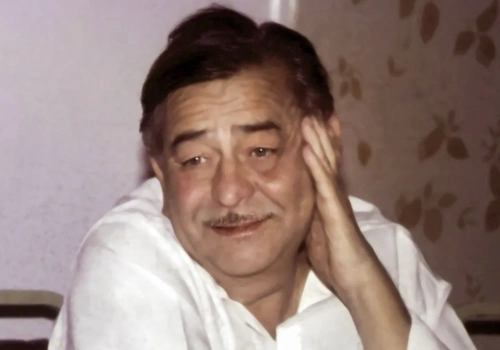
Quick Biography
| Information | Details |
|---|---|
| Full Name | Ranbir Raj Kapoor |
| Nickname | The Showman of Indian Cinema |
| Gender | Male |
| Age | Passed away at age 63 |
| Date of Birth | December 14, 1924 |
| Date of Death | June 2, 1988 |
| Profession | Actor, Film Director, Producer |
| Nationality | Indian |
| Birth Place | Peshawar, British India (now in Pakistan) |
| Religion | Hinduism |
| Spouse | Krishna Kapoor |
| Children | Randhir Kapoor, Rishi Kapoor, Rajiv Kapoor, Ritu Nanda, Reema Kapoor |
| Production Company | RK Films |
| Famous For | Awara, Shree 420, Sangam, Mera Naam Joker |
Introduction
Few names in Indian cinema carry as much respect and admiration as Raj Kapoor. Often called “The Showman of Indian Cinema,” Raj Kapoor was not just an actor but also a visionary filmmaker, producer, and storyteller who helped shape the golden age of Bollywood.
His films entertained audiences while addressing social issues, human emotions, love, poverty, and dreams. Through memorable performances, unforgettable songs, and meaningful stories, Raj Kapoor created a unique place in the hearts of millions.
Even decades after his passing, his influence remains visible in Indian cinema. Many filmmakers, actors, and film enthusiasts continue to study his work and draw inspiration from his creative vision.
This article explores the life, achievements, and lasting legacy of Raj Kapoor, one of the greatest icons in the history of Indian cinema.
Early Life and Family Background


Raj Kapoor was born as Ranbir Raj Kapoor on December 14, 1924, in Peshawar, which was then part of British India and is now located in Pakistan.
He belonged to the famous Kapoor family, one of the most influential families in Indian cinema. His father, Prithviraj Kapoor, was a respected actor and theatre artist who played a significant role in the development of Indian theatre and films.
Growing up in a family deeply connected to the entertainment industry exposed Raj Kapoor to acting and storytelling from an early age.
As a child, he spent much of his time observing film productions and theatre performances. These experiences sparked his passion for cinema and inspired him to pursue a career in the industry.
Entering the Film Industry
Raj Kapoor began his journey in cinema at a young age.
Unlike many aspiring actors who started directly in front of the camera, he worked behind the scenes and learned various aspects of filmmaking.
His dedication and willingness to learn helped him gain valuable experience.
In the 1940s, he started appearing in films and gradually established himself as a promising young actor.
His natural acting style and charming screen presence quickly attracted attention.
Many people recognized that Raj Kapoor possessed not only acting talent but also a creative vision that extended beyond performing.
Becoming a Young Filmmaker
One of Raj Kapoor’s most remarkable achievements came when he became one of India’s youngest film directors.
At just 24 years old, he directed and starred in the film Aag (1948).
The film marked the beginning of his journey as a filmmaker and demonstrated his ambition to tell meaningful stories.
Soon afterward, he founded RK Films, which became one of the most successful production houses in Indian cinema.
Early Career Milestones
| Year | Achievement |
|---|---|
| 1947 | Appeared in major films |
| 1948 | Directed Aag |
| 1948 | Founded RK Films |
| 1949 | Released Barsaat |
| 1951 | Achieved international fame with Awara |
The Rise of the “Common Man” Hero


One of Raj Kapoor’s greatest contributions to Indian cinema was the creation of the “common man” character.
Inspired partly by Charlie Chaplin’s famous screen persona, Raj Kapoor often portrayed a poor but kind-hearted individual struggling against social and economic challenges.
This character connected deeply with audiences because it reflected the experiences of ordinary people.
Films such as Awara and Shree 420 became iconic because they combined entertainment with powerful social messages.
Viewers saw themselves in the characters and related to their dreams, struggles, and hopes.
His ability to balance humor, romance, and social commentary became one of his trademarks.
The Success of Awara
Released in 1951, Awara became one of Raj Kapoor’s most celebrated films.
The movie told a compelling story about poverty, justice, and social inequality.
Its emotional storytelling, memorable songs, and strong performances made it a huge success both in India and internationally.
Why Awara Was Important
| Feature | Impact |
|---|---|
| Social Themes | Addressed poverty and inequality |
| Memorable Music | Became widely popular |
| International Appeal | Reached global audiences |
| Strong Storytelling | Connected emotionally with viewers |
The film achieved extraordinary popularity in countries such as the Soviet Union, China, Turkey, and several parts of the Middle East.
Raj Kapoor became one of the first Indian actors to achieve international recognition on such a large scale.
Raj Kapoor and Nargis: A Legendary Partnership


One of the most famous partnerships in Indian film history was between Raj Kapoor and actress Nargis.
Together, they starred in several successful films that became classics.
Their on-screen chemistry captivated audiences and contributed significantly to the success of many movies.
Some of their most memorable collaborations include:
- Barsaat
- Awara
- Shree 420
- Aah
- Chori Chori
These films remain popular even today and are often included in discussions about Bollywood’s greatest classics.
The Magic of Music in Raj Kapoor’s Films
Music played a crucial role in Raj Kapoor’s success.
Many songs from his films became timeless classics.
His collaborations with legendary musicians, lyricists, and singers produced some of the most beloved songs in Indian cinema.
Famous Songs From Raj Kapoor Films
| Song | Film |
|---|---|
| Awara Hoon | Awara |
| Mera Joota Hai Japani | Shree 420 |
| Jeena Yahan Marna Yahan | Mera Naam Joker |
| Dost Dost Na Raha | Sangam |
| Pyar Hua Ikrar Hua | Shree 420 |
These songs continue to be heard and appreciated by audiences across generations.
Creating Cinematic Masterpieces


Throughout his career, Raj Kapoor directed and produced several landmark films.
Each project reflected his creativity and willingness to experiment with storytelling.
Notable Films
| Film | Year |
|---|---|
| Aag | 1948 |
| Barsaat | 1949 |
| Awara | 1951 |
| Shree 420 | 1955 |
| Sangam | 1964 |
| Mera Naam Joker | 1970 |
| Bobby | 1973 |
| Satyam Shivam Sundaram | 1978 |
These films showcased different aspects of life, relationships, dreams, and social realities.
Many are still regarded as masterpieces of Indian cinema.
The Challenge of Mera Naam Joker
One of the most personal projects of Raj Kapoor’s career was Mera Naam Joker.
He invested years of effort, creativity, and resources into the film.
Unfortunately, the movie did not perform well commercially when it was first released.
The failure was a major disappointment and created financial difficulties.
However, Raj Kapoor did not give up.
He returned with Bobby (1973), which became a huge success and revived his production company.
This comeback demonstrated his resilience and determination.
Bobby and a New Generation


The success of Bobby introduced a new style of youthful romance to Indian cinema.
The film launched the careers of Rishi Kapoor and Dimple Kapadia and became one of the biggest hits of its time.
Its success proved that Raj Kapoor understood changing audience preferences and could adapt his storytelling accordingly.
The film’s popularity also strengthened his reputation as a visionary filmmaker.
International Fame and Recognition
Raj Kapoor’s popularity extended far beyond India.
His films found enthusiastic audiences in:
- Soviet Union
- China
- Turkey
- Middle Eastern countries
- Eastern Europe
Many international viewers connected with the universal themes in his stories.
His films often focused on humanity, love, hope, and social justice, making them relatable across cultures.
This global appeal helped establish Indian cinema on the world stage.
The Kapoor Family Legacy


Raj Kapoor played a major role in strengthening the Kapoor family’s influence in Indian cinema.
His children and later generations continued the family’s cinematic tradition.
Several members of the Kapoor family became successful actors, directors, and producers.
Famous Kapoor Family Members
| Name | Relationship |
|---|---|
| Prithviraj Kapoor | Father |
| Randhir Kapoor | Son |
| Rishi Kapoor | Son |
| Rajiv Kapoor | Son |
| Karisma Kapoor | Granddaughter |
| Kareena Kapoor Khan | Granddaughter |
| Ranbir Kapoor | Grandson |
Today, the Kapoor family remains one of Bollywood’s most respected film dynasties.
Awards and Honors
Raj Kapoor received numerous awards and honors during his lifetime.
Major Recognitions
| Award | Significance |
|---|---|
| Dadasaheb Phalke Award | Highest honor in Indian cinema |
| Filmfare Awards | Multiple achievements |
| National Recognition | Contribution to Indian films |
| International Honors | Global impact |
These awards reflected his immense contribution to the growth and development of Indian cinema.
Interesting Facts About Raj Kapoor
| Fact | Details |
|---|---|
| Birth Year | 1924 |
| Nickname | The Showman of Indian Cinema |
| First Directed Film | Aag |
| Production House | RK Films |
| International Hit | Awara |
| Famous Character Style | The Common Man |
| Dadasaheb Phalke Award | Received in 1987 |
| Legacy | One of Bollywood’s greatest filmmakers |
Why Raj Kapoor’s Legacy Endures
Several reasons explain why Raj Kapoor remains relevant decades after his passing.
Timeless Storytelling
His films explored universal human emotions.
Social Awareness
Many movies addressed important social issues.
Memorable Music
His songs remain popular across generations.
Cinematic Innovation
He introduced new ideas and techniques.
Global Influence
He helped bring Indian cinema to international audiences.
These contributions continue to inspire filmmakers and actors today.
Legacy and Lasting Impact
Raj Kapoor passed away on June 2, 1988, but his influence remains alive.
His films continue to be watched, studied, and celebrated.
Film schools analyze his storytelling techniques, while modern filmmakers draw inspiration from his creativity and vision.
His work helped define the golden era of Bollywood and contributed significantly to India’s cultural heritage.
Very few artists have left such a lasting impact on an entire industry.
Conclusion
The legacy of Raj Kapoor is one of creativity, innovation, and unforgettable storytelling.
From his early years in cinema to becoming one of India’s greatest filmmakers, Raj Kapoor dedicated his life to entertaining audiences and exploring meaningful social themes through film.
His iconic movies, memorable songs, international popularity, and commitment to artistic excellence transformed Indian cinema forever.
Today, he is remembered not only as an actor or director but as a visionary who helped shape the identity of Bollywood itself.
For generations of film lovers, Raj Kapoor remains the true “Showman of Indian Cinema,” and his legacy continues to shine brightly across the world.