The Life of Muhammad Ali: A Boxing Legend
Quick Biography
| Information | Details |
|---|---|
| Full Name | Cassius Marcellus Clay Jr. |
| Nickname | Muhammad Ali, The Greatest |
| Gender | Male |
| Age | Passed Away at 74 |
| Date of Birth | January 17, 1942 |
| Date of Death | June 3, 2016 |
| Profession | Professional Boxer, Activist, Humanitarian |
| Nationality | American |
| Birth Place | Louisville, Kentucky, United States |
| Religion | Islam |
| Weight Division | Heavyweight |
| Famous For | Three-Time World Heavyweight Champion |
| Known As | The Greatest Boxer of All Time |
| Industry | Sports |
Introduction
More than just a boxing champion, he became a global symbol of courage, confidence, determination, and social change.
Known for his quick hands, lightning-fast footwork, and unforgettable personality, Ali transformed the sport of boxing forever. Inside the ring, he defeated some of the toughest fighters in history. Outside the ring, he became known for his strong beliefs, humanitarian efforts, and willingness to stand up for what he believed was right.
His famous statement, “I am the greatest,” became one of the most recognized phrases in sports history.
However, Ali’s journey was not always easy. He faced criticism, controversy, and personal challenges throughout his life. Yet he continued to inspire millions of people around the world.
Today, Muhammad Ali remains one of the most admired figures in sports and global history.
This article explores the life of Muhammad Ali and how he became a true boxing legend.
Early Life in Louisville


Muhammad Ali was born as Cassius Marcellus Clay Jr. on January 17, 1942, in Louisville, Kentucky.
He grew up in a working-class family and experienced many challenges during his childhood.
As a young boy, Ali was energetic, confident, and highly competitive.
One event changed the course of his life forever.
Upset and determined to find the thief, he told a local police officer that he wanted to fight whoever had taken it.
The officer happened to be a boxing coach and suggested that Ali first learn how to box.
That simple conversation introduced him to the sport that would make him famous around the world.
Discovering Boxing
Ali immediately fell in love with boxing.
He trained hard and quickly demonstrated natural talent.
Unlike many young athletes, he possessed both physical ability and tremendous self-confidence.
His coaches noticed that he had:
- Exceptional speed
- Quick reflexes
- Strong determination
- Competitive spirit
- Natural charisma
These qualities helped him progress rapidly through amateur boxing competitions.
His dream of becoming a champion began to take shape.
Early Amateur Success


As a teenager, Ali achieved significant success in amateur boxing.
He won numerous local and national competitions.
His performances attracted attention because of his unique fighting style.
Unlike many heavyweight fighters who relied on power alone, Ali emphasized speed and movement.
Early Achievements
| Achievement | Importance |
|---|---|
| Amateur Victories | Built Confidence |
| National Recognition | Increased Opportunities |
| Olympic Qualification | International Success |
| Boxing Development | Improved Skills |
These accomplishments prepared him for larger competitions on the world stage.
Winning Olympic Gold
One of the first major milestones in Ali’s career came during the 1960 Olympic Games.
Representing the United States, he competed against talented boxers from around the world.
His skill, confidence, and determination helped him achieve a remarkable victory.
Olympic Achievement
| Event | Result |
|---|---|
| 1960 Olympics | Gold Medal |
| Weight Class | Light Heavyweight |
| Significance | International Recognition |
Winning the gold medal transformed Ali into a national sports hero.
It also marked the beginning of his professional boxing journey.
Turning Professional


After the Olympics, Ali decided to become a professional boxer.
His confidence immediately attracted attention.
He often predicted the outcomes of his fights and spoke boldly about his abilities.
Many critics considered his behavior unusual.
However, Ali used confidence as motivation.
He believed that success required believing in yourself before anyone else did.
His unique personality helped him stand out in the highly competitive world of professional boxing.
Becoming World Heavyweight Champion
Ali’s career reached a new level when he challenged for the world heavyweight championship.
Many experts doubted his chances against more experienced opponents.
However, Ali entered the fight believing he could win.
His speed and skill surprised spectators around the world.
When he captured the heavyweight title, he became one of the youngest champions in boxing history.
The victory established him as one of the sport’s biggest stars.
Changing His Name


Shortly after becoming champion, Ali announced that he had joined the Nation of Islam.
He changed his name from Cassius Clay to Muhammad Ali.
The decision generated significant discussion throughout the United States.
Many people supported his choice, while others criticized it.
Despite the controversy, Ali remained committed to his beliefs.
This period demonstrated his willingness to stand by his principles regardless of public opinion.
A Unique Boxing Style
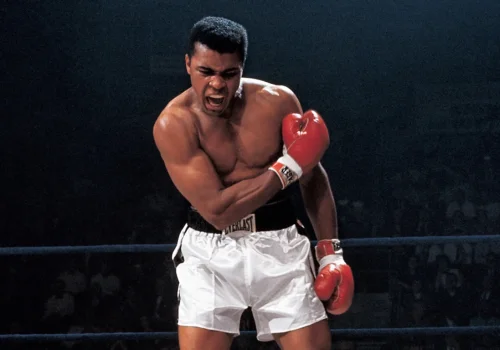
Muhammad Ali revolutionized heavyweight boxing.
His style was unlike anything fans had seen before.
What Made Ali Different?
| Skill | Advantage |
|---|---|
| Footwork | Exceptional Mobility |
| Speed | Fast Combinations |
| Reflexes | Defensive Ability |
| Confidence | Psychological Edge |
| Endurance | Long Fight Performance |
His famous phrase, “Float like a butterfly, sting like a bee,” perfectly described his approach.
Ali combined elegance, speed, and power in a way that changed the sport forever.
The Years of Controversy


During the 1960s, Ali became involved in issues beyond sports.
His political and social views attracted widespread attention.
Some of his decisions were controversial at the time.
As a result, he faced criticism and significant professional challenges.
These events temporarily affected his boxing career.
However, Ali remained determined to stand by his convictions.
His actions made him a symbol of courage and personal integrity for many people around the world.
Returning to the Ring
Despite setbacks, Ali eventually returned to professional boxing.
His comeback became one of the most remarkable stories in sports history.
Ali answered those questions through determination and hard work.
His resilience inspired countless fans.
Historic Rivalries


These contests attracted enormous global audiences.
Famous Rivalries
| Rivalry | Importance |
|---|---|
| Joe Frazier | Historic Battles |
| George Foreman | Legendary Championship |
| Ken Norton | Memorable Competition |
| Sonny Liston | Career-Defining Victory |
These fights helped establish Ali’s reputation as one of boxing’s greatest champions.
Many remain iconic moments in sports history.
The Rumble in the Jungle
One of Ali’s most famous victories came against George Foreman.
At the time, Foreman was considered nearly unbeatable.
Most experts expected Ali to lose.
Instead, he developed a unique strategy and achieved one of the greatest upsets in boxing history.
The fight became known as the “Rumble in the Jungle.”
It demonstrated Ali’s intelligence, adaptability, and courage.
The victory strengthened his legendary status.
The Thrilla in Manila


Another legendary chapter in Ali’s career came during his rivalry with Joe Frazier.
The final meeting between the two fighters became known as the “Thrilla in Manila.”
The match tested both athletes physically and mentally.
Many boxing experts consider it one of the greatest fights in sports history.
Ali’s performance further enhanced his reputation for toughness and determination.
Life Beyond Boxing
Outside the ring, Ali became a global ambassador for humanitarian causes.
He traveled extensively and supported initiatives related to:
- Education
- Healthcare
- Human rights
- Peace efforts
- Community development
His charitable activities earned admiration around the world.
Many people respected him not only as a champion athlete but also as a compassionate human being.
Facing Health Challenges


Despite these difficulties, he remained an inspirational figure.
His courage and positive attitude continued to influence people worldwide.
He appeared at major events and maintained a strong connection with fans.
His resilience demonstrated the same strength that had defined his boxing career.
Interesting Facts About Muhammad Ali
| Fact | Details |
|---|---|
| Birth Name | Cassius Clay |
| Birth Year | 1942 |
| Olympic Gold Medal | 1960 |
| Heavyweight Titles | Three-Time Champion |
| Nickname | The Greatest |
| Famous Quote | Float Like a Butterfly, Sting Like a Bee |
| Religion | Islam |
| Legacy | Boxing and Humanitarian Icon |
Lessons From Muhammad Ali’s Life
There are many valuable lessons in Ali’s remarkable journey.
Believe in Yourself
Confidence can help overcome challenges.
Work Hard
Success requires dedication and discipline.
Stand for Your Beliefs
Integrity matters.
Never Give Up
Setbacks do not define your future.
Inspire Others
Greatness involves helping people around you.
These lessons continue inspiring individuals across generations.
Legacy and Lasting Impact


Muhammad Ali’s influence extends far beyond boxing.
He transformed the sport through his skill, personality, and innovation.
His courage outside the ring made him a symbol of determination and conviction.
Today, athletes, leaders, and fans continue studying his life and achievements.
Many consider him not only the greatest boxer of all time but also one of the most important sports figures in history.
His legacy remains powerful decades after his greatest victories.
Conclusion
The life of Muhammad Ali is one of the most inspiring stories in sports history.
From a young boy in Louisville whose stolen bicycle introduced him to boxing, he rose to become a global icon and three-time heavyweight champion.
His extraordinary talent, confidence, and determination transformed him into one of the greatest athletes ever.
Beyond his achievements inside the ring, Ali became known for his courage, humanitarian efforts, and commitment to his beliefs.
Today, Muhammad Ali remains a symbol of excellence, perseverance, and leadership.
His story continues to inspire millions of people around the world, proving that true greatness is measured not only by victories but also by the impact one leaves on other