The Story of Nelson Mandela
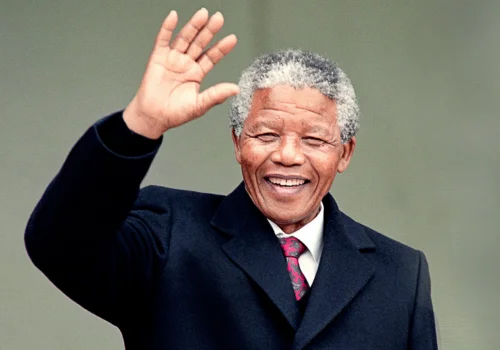
Quick Biography
| Information | Details |
|---|---|
| Full Name | Nelson Rolihlahla Mandela |
| Nickname | Madiba |
| Gender | Male |
| Age | Passed away at age 95 |
| Date of Birth | July 18, 1918 |
| Date of Death | December 5, 2013 |
| Profession | Politician, Lawyer, Activist |
| Nationality | South African |
| Birth Place | Mvezo, Cape Province, South Africa |
| Religion | Christianity |
| Political Party | African National Congress (ANC) |
| Spouse | Evelyn Mase, Winnie Mandela, Graça Machel |
| Education | University of Fort Hare, University of South Africa |
| Famous For | Fighting Apartheid and Becoming South Africa’s First Black President |
Introduction
Nelson Mandela is one of the most respected and admired leaders in world history. His life was a remarkable journey of courage, sacrifice, determination, and forgiveness. He spent decades fighting against racial discrimination in South Africa and became a global symbol of justice and human rights.
What makes Mandela’s story extraordinary is not only his political achievements but also his ability to forgive those who imprisoned him for nearly three decades. Instead of seeking revenge, he worked to unite a divided nation and build a peaceful future.
Today, Nelson Mandela is remembered as a leader who changed the course of South African history and inspired millions of people around the world.
This article explores the life, struggles, achievements, and legacy of Nelson Mandela, one of the greatest leaders of the modern era.
Early Life and Childhood


Nelson Rolihlahla Mandela was born on July 18, 1918, in the small village of Mvezo in South Africa’s Eastern Cape region.
He belonged to the Thembu royal family, a branch of the Xhosa ethnic group. His father was a local chief and counselor to tribal leaders.
Mandela’s birth name, Rolihlahla, means “pulling the branch of a tree” or, more commonly, “troublemaker.” Years later, this name seemed fitting because of his willingness to challenge injustice.
As a child, Mandela grew up in a rural environment where traditional customs and community values played an important role. He spent much of his youth herding cattle, learning local traditions, and listening to stories told by village elders.
These stories often focused on African leaders who fought for freedom and justice. They inspired Mandela and helped shape his understanding of leadership and responsibility.
Education and the Desire for Change
Education became one of the most important influences in Mandela’s life.
He attended local schools before enrolling at the University of Fort Hare, one of the few higher education institutions available to Black South Africans at the time.
Mandela was an intelligent student who quickly became interested in politics and social justice.
However, he was expelled from university after participating in a student protest. This experience introduced him to activism and strengthened his belief that change often requires standing up against unfair systems.
Later, Mandela moved to Johannesburg, where he worked various jobs while continuing his studies.
Educational Background
| Institution | Area of Study |
|---|---|
| Clarkebury Boarding Institute | Secondary Education |
| Healdtown Methodist College | Higher Education |
| University of Fort Hare | Arts and Humanities |
| University of South Africa | Law Studies |
| University of Witwatersrand | Legal Studies |
His legal education helped him understand the laws that enforced racial discrimination and motivated him to challenge them.
Understanding Apartheid
To understand Mandela’s story, it is important to understand apartheid.
Under apartheid, Black South Africans faced severe discrimination and had fewer rights than white citizens.
The system affected nearly every part of daily life, including:
| Area | Restriction |
|---|---|
| Education | Separate schools |
| Housing | Segregated communities |
| Employment | Limited opportunities |
| Voting Rights | Restricted or denied |
| Public Services | Unequal access |
Millions of people lived under laws that controlled where they could live, work, and travel.
Mandela believed this system was unjust and needed to be changed.
Joining the African National Congress


In the 1940s, Mandela joined the African National Congress (ANC), a political organization dedicated to fighting racial discrimination.
Together with other young activists, Mandela helped create the ANC Youth League.
During this period, Mandela organized campaigns, protests, and public demonstrations.
He believed that peaceful resistance could help bring attention to the struggles faced by Black South Africans.
As his reputation grew, he became one of the leading voices in the fight for equality.
Becoming a Lawyer
Mandela’s legal training allowed him to help people facing discrimination.
In 1952, he and fellow activist Oliver Tambo opened South Africa’s first Black-owned law firm.
The firm provided legal assistance to people affected by apartheid laws.
Many clients came to them because they had few other options.
Working as a lawyer gave Mandela firsthand experience with the injustices embedded within the legal system.
These experiences strengthened his determination to continue fighting for civil rights.
Arrest and Imprisonment


As the apartheid government increased its efforts to suppress opposition, Mandela became a target of authorities.
In the early 1960s, he was arrested and charged with serious political offenses.
After a lengthy trial, Mandela and several other activists were sentenced to life imprisonment in 1964.
He was sent to Robben Island, a prison located off the coast of Cape Town.
The prison conditions were harsh.
Prisoners performed hard labor, lived in small cells, and had limited contact with family members.
Despite these challenges, Mandela refused to abandon his principles.
Prison Years Overview
| Period | Details |
|---|---|
| Arrested | 1962 |
| Sentenced | 1964 |
| Main Prison | Robben Island |
| Time Imprisoned | 27 Years |
| Released | 1990 |
During his imprisonment, Mandela became a symbol of resistance around the world.
International campaigns demanded his release, and his name became associated with the struggle for freedom.
Life Behind Bars
Mandela spent 27 years in prison, but he used this time to educate himself and inspire fellow prisoners.
He continued reading, studying, and discussing political ideas.
Many inmates referred to Robben Island as a “university” because prisoners learned from one another despite difficult conditions.
Mandela’s discipline and leadership earned him respect from both fellow prisoners and some prison officials.
Rather than becoming bitter, he focused on preparing for the future.
This ability to remain hopeful during decades of imprisonment became one of the most inspiring aspects of his life.
Release and a New Beginning


On February 11, 1990, Nelson Mandela was released from prison.
The event was broadcast around the world and marked the beginning of a new chapter in South African history.
Millions of people celebrated his freedom.
Many expected Mandela to seek revenge against those who had imprisoned him.
Instead, he chose a different path.
He called for reconciliation, peace, and cooperation.
His message surprised many observers and helped reduce tensions during a difficult period of political transition.
Negotiating the End of Apartheid
Following his release, Mandela worked with political leaders to negotiate an end to apartheid.
These negotiations were complex and often difficult.
Violence, political disagreements, and uncertainty created numerous obstacles.
Despite these challenges, Mandela remained committed to achieving a peaceful transition.
His leadership helped build trust between groups that had been divided for generations.
The negotiations eventually led to democratic elections and the dismantling of apartheid laws.
Becoming South Africa’s First Black President


In 1994, South Africa held its first democratic election in which citizens of all races could vote.
The election was a historic moment.
The African National Congress won the election, and Nelson Mandela became South Africa’s first Black president.
At age 75, Mandela achieved the goal he had pursued for much of his life.
His presidency symbolized a new beginning for South Africa.
People around the world celebrated the achievement as a victory for democracy and human rights.
Leadership as President
Mandela served as president from 1994 to 1999.
His administration focused on:
| Priority | Goal |
|---|---|
| National Unity | Bring communities together |
| Economic Development | Improve living standards |
| Education | Expand opportunities |
| Healthcare | Improve services |
| Reconciliation | Heal divisions caused by apartheid |
One of his most important achievements was promoting reconciliation.
Rather than dividing the country further, Mandela encouraged forgiveness and cooperation.
This approach helped prevent widespread conflict during South Africa’s transition to democracy.
International Recognition
Mandela became one of the world’s most admired leaders.
He received numerous awards and honors for his work promoting peace, equality, and human rights.
Major Honors
| Award | Year |
|---|---|
| Nobel Peace Prize | 1993 |
| Bharat Ratna (India) | 1990 |
| Presidential Medal of Freedom (USA) | 2002 |
| Numerous International Honors | Various Years |
His influence extended far beyond South Africa.
People across different cultures viewed him as a symbol of courage and hope.
Life After the Presidency
After leaving office, Mandela continued working on humanitarian causes.
He focused on issues such as:
- Education
- Poverty reduction
- HIV/AIDS awareness
- Children’s rights
- Peace initiatives
Although he retired from active politics, he remained a respected global figure.
Leaders from around the world frequently sought his advice and support.
Interesting Facts About Nelson Mandela
| Fact | Details |
|---|---|
| Birth Name | Rolihlahla Mandela |
| Clan Name | Madiba |
| Profession | Lawyer |
| Years in Prison | 27 |
| Nobel Peace Prize | 1993 |
| President of South Africa | 1994–1999 |
| Famous Prison | Robben Island |
| Global Symbol | Freedom and Human Rights |
Why Nelson Mandela Matters Today
Mandela’s story continues to inspire people because it demonstrates the power of perseverance and forgiveness.
Many leaders throughout history have fought against injustice.
What makes Mandela unique is his commitment to reconciliation after suffering decades of imprisonment.
His life teaches important lessons:
Perseverance
He never gave up despite facing enormous obstacles.
Courage
He stood against injustice even when it was dangerous.
Leadership
He united people during a period of national crisis.
Forgiveness
He chose reconciliation instead of revenge.
These qualities continue to inspire people around the world.
Legacy and Lasting Impact
Nelson Mandela’s legacy extends far beyond South Africa.
His efforts helped transform a nation and influence global conversations about human rights, equality, and democracy.
Today, schools, universities, organizations, and governments study his leadership style and principles.
His name remains synonymous with justice, freedom, and dignity.
Few individuals have had such a profound impact on both their country and the world.
Conclusion
The story of Nelson Mandela is one of the most powerful examples of courage and leadership in modern history.
Born in a small South African village, he grew into a lawyer, activist, political prisoner, and eventually president. His fight against apartheid required tremendous sacrifice, including 27 years in prison.
Yet Mandela emerged not with hatred, but with a vision of unity and reconciliation.
His leadership helped South Africa transition peacefully from racial segregation to democracy and inspired millions around the world.
Today, Nelson Mandela is remembered not only as a political leader but as a symbol of hope, resilience, and the belief that justice can prevail even in the face of overwhelming challenges.