Margaret Thatcher: The Iron Lady
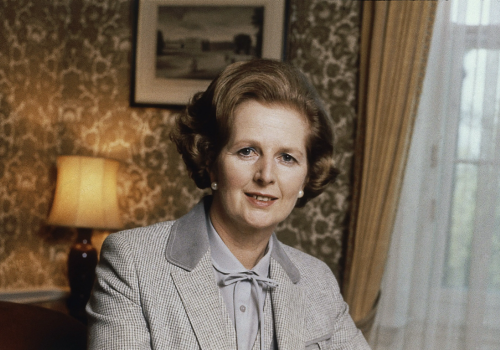
Quick Biography
| Information | Details |
|---|---|
| Full Name | Margaret Hilda Thatcher |
| Nickname | The Iron Lady |
| Gender | Female |
| Age | Passed Away (1925–2013) |
| Date of Birth | October 13, 1925 |
| Profession | Politician |
| Nationality | British |
| Birth Place | Grantham, Lincolnshire, England |
| Religion | Christianity |
| Political Party | Conservative Party |
| Famous For | First Female Prime Minister of the United Kingdom |
| Known As | The Iron Lady |
| Industry | Politics |
| Years as Prime Minister | 1979–1990 |
Introduction
Margaret Thatcher was one of the most influential political leaders of the twentieth century. Known around the world as “The Iron Lady,” she became the first woman to serve as Prime Minister of the United Kingdom and remained in office for more than eleven years.
Her leadership transformed British politics, economics, and international relations. Supporters praised her determination, strong leadership, and commitment to economic reform, while critics often disagreed with her policies. Regardless of opinion, few people deny her lasting impact on British history.
Thatcher’s rise from the daughter of a small-town shopkeeper to one of the most powerful leaders in the world is an inspiring story of ambition, discipline, and perseverance.
Her career demonstrated that determination and hard work can break barriers and create historic achievements.
This article explores the life, political career, and legacy of Margaret Thatcher, the woman who became known as The Iron Lady.
Early Life and Childhood


Margaret Thatcher was born on October 13, 1925, in Grantham, Lincolnshire, England.
She grew up in a hardworking family where education, responsibility, and discipline were highly valued.
Her father owned a grocery store and was active in local politics.
From a young age, Margaret learned the importance of hard work and community service.
She spent much of her childhood studying and participating in school activities.
These early experiences helped shape the values that would guide her throughout her life.
Education and Academic Success
Education played a major role in Thatcher’s development.
She was a dedicated student who consistently worked hard to achieve her goals.
Academic Strengths
| Skill | Benefit |
|---|---|
| Discipline | Strong Work Ethic |
| Intelligence | Academic Success |
| Determination | Goal Achievement |
| Leadership | Future Political Career |
| Communication | Public Speaking Skills |
Her commitment to learning helped her earn opportunities that would eventually lead to national leadership.
She believed education was one of the most important tools for personal advancement.
University Years


After completing her early education, Margaret attended university, where she studied science.
During this period, she became increasingly interested in politics and public service.
University life provided opportunities to:
- Develop leadership skills
- Improve public speaking
- Engage in political discussions
- Build confidence
- Expand her knowledge
These experiences helped prepare her for a future career in politics.
Entering Politics
Margaret Thatcher’s passion for public service led her to pursue a political career.
Entering politics was challenging, especially for women at a time when political leadership was largely dominated by men.
However, she remained determined.
Early Political Goals
| Goal | Purpose |
|---|---|
| Public Service | Community Improvement |
| Political Leadership | National Influence |
| Economic Development | Stronger Economy |
| Policy Reform | Long-Term Progress |
| Representation | Breaking Barriers |
Her persistence helped her gain recognition within political circles.
Rising Through the Conservative Party


As Thatcher gained experience, she advanced through the ranks of the Conservative Party.
Her strong opinions, confidence, and communication skills helped her stand out.
Many people admired her willingness to defend her beliefs even when facing criticism.
Her reputation as a determined and capable politician continued to grow.
Over time, she became one of the most influential figures within her party.
Becoming Party Leader
One of the most significant moments in Thatcher’s career came when she became leader of the Conservative Party.
This achievement was historic because few women had reached such positions of political influence.
Leadership Qualities
| Quality | Impact |
|---|---|
| Confidence | Strong Leadership |
| Determination | Goal Achievement |
| Communication | Public Support |
| Discipline | Effective Management |
| Vision | Strategic Direction |
These strengths helped prepare her for the responsibilities of national leadership.
Becoming Prime Minister


In 1979, Margaret Thatcher became Prime Minister of the United Kingdom.
This historic achievement made her the first woman ever to hold the position.
Her victory represented a major milestone in British political history.
Millions of people viewed her success as evidence that women could lead at the highest levels of government.
Her election also marked the beginning of a new era in British politics.
Why She Was Called “The Iron Lady”
The nickname “The Iron Lady” became one of Thatcher’s most famous titles.
It reflected her reputation for determination, strength, and unwavering commitment to her beliefs.
Reasons for the Nickname
| Trait | Impact |
|---|---|
| Strong Leadership | National Influence |
| Firm Decisions | Political Stability |
| Confidence | Public Recognition |
| Persistence | Long-Term Success |
| Courage | Historic Legacy |
The nickname eventually became known around the world.
Economic Reforms


One of Thatcher’s main priorities was economic reform.
She introduced policies aimed at increasing efficiency, encouraging business growth, and reducing government involvement in certain industries.
Her supporters argued that these reforms modernized the economy.
Her critics often believed some changes were too difficult for certain communities.
Regardless of opinion, the reforms had a major impact on Britain’s economic landscape.
Leadership During Challenges
Leading a country is never easy.
Throughout her time as Prime Minister, Thatcher faced numerous challenges.
These included:
- Economic difficulties
- Political opposition
- International tensions
- Public criticism
- Complex policy decisions
Despite these obstacles, she remained committed to her goals.
Lessons From Leadership Challenges
| Challenge | Response |
|---|---|
| Economic Problems | Reform Policies |
| Political Opposition | Determination |
| Public Debate | Clear Communication |
| International Issues | Strong Diplomacy |
| Pressure | Leadership Strength |
These experiences reinforced her reputation as a resilient leader.
International Influence
Margaret Thatcher became one of the most recognized political figures in the world.
Her influence extended far beyond the United Kingdom.
She developed relationships with international leaders and played an important role in global discussions.
Her leadership style attracted attention from governments around the world.
Many people viewed her as one of the defining political figures of her generation.
Breaking Barriers for Women
One of Thatcher’s most significant achievements was breaking barriers for women in politics.
At a time when female leaders were rare, she demonstrated that women could successfully lead major nations.
Impact on Women
| Achievement | Importance |
|---|---|
| First Female Prime Minister | Historic Milestone |
| Political Leadership | Inspiration |
| Public Influence | Greater Representation |
| International Recognition | Global Impact |
| Lasting Legacy | Future Opportunities |
Her success inspired many women to pursue careers in leadership and public service.
Life After Politics
After leaving office, Thatcher remained a respected and influential figure.
She continued participating in public discussions and sharing her experiences.
Many people studied her leadership style and political career.
Her influence remained strong even after her years in government ended.
She became one of the most recognizable political figures in modern history.
Interesting Facts About Margaret Thatcher
| Fact | Details |
|---|---|
| Birth Year | 1925 |
| Birth Place | Grantham, England |
| Nickname | The Iron Lady |
| Profession | Politician |
| Political Party | Conservative |
| Historic Achievement | First Female UK Prime Minister |
| Years in Office | 1979–1990 |
| Legacy | Influential Political Leader |
Lessons From Margaret Thatcher’s Journey
There are many valuable lessons in her life story.
Believe in Yourself
Confidence helps overcome obstacles.
Work Hard
Success requires effort and dedication.
Stay Determined
Persistence creates opportunities.
Lead With Conviction
Strong values can guide decisions.
Break Barriers
Challenges should not limit ambition.
These lessons continue inspiring leaders around the world.
Legacy and Lasting Impact


Margaret Thatcher’s legacy remains one of the most discussed and influential in modern politics.
Supporters remember her for economic reforms, strong leadership, and determination.
Critics continue debating some of her policies and their effects.
However, nearly everyone agrees that she changed British politics in a significant way.
Her leadership style, achievements, and historic role as Britain’s first female Prime Minister ensure that her place in history remains secure.
Future generations will continue studying her career and influence.
Why Margaret Thatcher Became a Historic Leader
Key Reasons Behind Her Success
| Reason | Impact |
|---|---|
| Determination | Political Advancement |
| Leadership Skills | National Influence |
| Strong Communication | Public Recognition |
| Vision | Long-Term Reforms |
| Courage | Historic Achievements |
These qualities helped her become one of the most important political figures of the twentieth century.
Conclusion
Margaret Thatcher’s journey from a small-town girl in England to the first female Prime Minister of the United Kingdom is a remarkable story of ambition, perseverance, and leadership.
Known as The Iron Lady, she transformed British politics through strong leadership and a commitment to her beliefs.
Her achievements broke barriers for women, influenced international politics, and left a lasting mark on history.
Whether admired or criticized, Thatcher remains one of the most influential political leaders of modern times.
Her story continues to inspire people around the world to pursue their goals, lead with confidence, and overcome challenges through determination and hard work