The Legacy of Winston Churchill
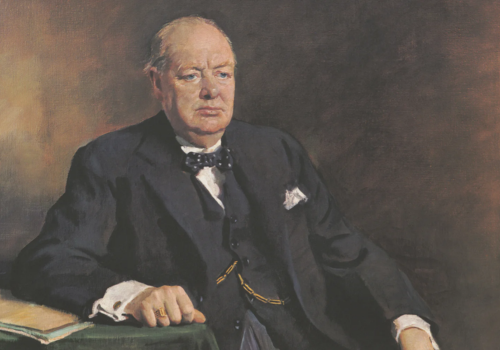
Quick Biography
| Information | Details |
|---|---|
| Full Name | Winston Leonard Spencer Churchill |
| Nickname | Winston Churchill |
| Gender | Male |
| Age | Passed Away (1874–1965) |
| Date of Birth | November 30, 1874 |
| Profession | Politician, Statesman, Writer |
| Nationality | British |
| Birth Place | Blenheim Palace, Oxfordshire, England |
| Religion | Christianity |
| Political Party | Conservative Party (primarily) |
| Famous For | Leading Britain During World War II |
| Known As | One of History’s Greatest Leaders |
| Industry | Politics and Literature |
| Major Achievement | Prime Minister of the United Kingdom |
Introduction
Winston Churchill is remembered as one of the most influential leaders of the twentieth century. His leadership during World War II helped guide Britain through one of the most difficult periods in its history.
Known for his powerful speeches, determination, and unwavering confidence, Churchill became a symbol of courage and resilience during times of crisis.
However, his legacy extends far beyond wartime leadership. He was also a writer, historian, military officer, and statesman whose impact can still be felt today.
Churchill’s life was filled with both remarkable successes and significant challenges. His career spanned decades and included some of the most important events in modern history.
Today, he is widely regarded as one of Britain’s greatest leaders and one of the most influential political figures of all time.
This article explores the legacy of Winston Churchill and the reasons he remains an important historical figure.
Early Life and Childhood


Winston Churchill was born on November 30, 1874, at Blenheim Palace in Oxfordshire, England.
He came from a prominent family with a long history of public service and political involvement.
As a child, Churchill was energetic, curious, and independent.
Although he sometimes struggled in traditional academic settings, he showed strong determination and a love of learning.
His early experiences helped shape his character and prepared him for future challenges.
The lessons he learned during childhood would later influence his leadership style.
Education and Personal Development
Education played an important role in Churchill’s growth.
Although his academic journey was not always easy, he developed valuable skills that would later contribute to his success.
Skills Developed During His Youth
| Skill | Benefit |
|---|---|
| Communication | Public Speaking |
| Determination | Resilience |
| Leadership | Future Success |
| Curiosity | Lifelong Learning |
| Writing Ability | Literary Achievements |
These strengths helped him build a successful career in both politics and writing.
Military Service and Early Career


Before entering politics, Churchill served in the military.
His experiences as an officer provided valuable lessons about leadership, discipline, and decision-making.
He also worked as a journalist and war correspondent.
These roles allowed him to travel, observe international events, and improve his writing skills.
His military and journalistic experiences broadened his understanding of world affairs and prepared him for public life.
Entering Politics
Churchill eventually entered politics and began building a career in government.
His intelligence, communication skills, and confidence helped him gain attention.
Early Political Goals
| Goal | Purpose |
|---|---|
| Public Service | National Improvement |
| Leadership | Political Influence |
| Economic Development | National Growth |
| Security | Public Protection |
| Reform | Long-Term Progress |
These objectives guided much of his political career.
Over time, he became one of Britain’s most recognized politicians.
Rising Through Government


Churchill held several important government positions throughout his career.
His responsibilities allowed him to gain experience in national and international affairs.
Many colleagues admired his intelligence and ability to communicate complex ideas.
However, his career also included setbacks and periods of political disagreement.
Despite these challenges, he remained active in public life and continued pursuing leadership opportunities.
His persistence became one of his defining characteristics.
The Road to Leadership
As global tensions increased during the early twentieth century, Churchill became increasingly concerned about international security.
He often spoke about the importance of preparation and strong leadership.
Although not everyone agreed with his views at the time, many later recognized his foresight.
Leadership Qualities
| Quality | Impact |
|---|---|
| Courage | Public Confidence |
| Vision | Strategic Planning |
| Determination | Strong Leadership |
| Communication | National Unity |
| Resilience | Crisis Management |
These qualities would soon become critically important.
Becoming Prime Minister


In 1940, Winston Churchill became Prime Minister of the United Kingdom.
At the time, Europe was facing one of the most dangerous conflicts in history.
The situation required strong leadership and decisive action.
Churchill accepted the challenge and quickly became a symbol of determination and national unity.
His appointment marked one of the most important moments in British political history.
Millions of people looked to him for guidance during uncertain times.
Leading Britain During World War II
Churchill’s leadership during World War II remains one of the most important parts of his legacy.
He inspired people through difficult circumstances and encouraged them to remain strong.
Wartime Leadership Contributions
| Contribution | Importance |
|---|---|
| National Unity | Public Morale |
| Strategic Decisions | Military Success |
| International Cooperation | Allied Strength |
| Public Speeches | Inspiration |
| Crisis Management | Stability |
These contributions helped Britain navigate one of its greatest challenges.
The Power of His Speeches


Churchill is famous for his speeches.
His words inspired millions of people during difficult times.
He understood the importance of communication and used it effectively to encourage resilience and confidence.
His speeches often emphasized:
- Courage
- Unity
- Determination
- Hope
- National Pride
Many historians consider his speeches among the most influential in modern history.
They continue to be studied and quoted today.
International Influence
Churchill’s impact extended beyond Britain.
He worked closely with international leaders and played an important role in global affairs.
Areas of International Influence
| Area | Impact |
|---|---|
| Diplomacy | Strong Alliances |
| Security | Global Stability |
| Leadership | International Respect |
| Cooperation | Shared Goals |
| Strategy | Wartime Success |
His actions helped shape major events of the twentieth century.
Success as a Writer


In addition to politics, Churchill was also an accomplished writer.
He wrote books, historical works, and articles throughout his life.
His writing demonstrated:
- Knowledge of history
- Strong communication skills
- Analytical thinking
- Storytelling ability
- Intellectual curiosity
His literary achievements earned widespread recognition.
He became one of the few political leaders known for excellence in both leadership and writing.
Challenges and Criticism
Like all major historical figures, Churchill’s career included challenges and controversies.
Some of his decisions and policies remain subjects of debate among historians.
Lessons From Challenges
| Challenge | Response |
|---|---|
| Political Setbacks | Persistence |
| Public Criticism | Confidence |
| Wartime Pressure | Leadership |
| Difficult Decisions | Strategic Thinking |
| Opposition | Determination |
These experiences demonstrate the complexity of leadership.
They also show how leaders must often make difficult choices.
Life After World War II
After World War II, Churchill continued contributing to public life.
He remained involved in politics and international affairs.
His experience and influence made him one of the most respected statesmen of his era.
Many leaders sought his advice and valued his perspective on global issues.
His contributions continued long after the war ended.
Interesting Facts About Winston Churchill
| Fact | Details |
|---|---|
| Birth Year | 1874 |
| Birth Place | Oxfordshire, England |
| Profession | Politician and Writer |
| Famous Role | Prime Minister |
| Leadership Period | World War II |
| Known For | Powerful Speeches |
| Nationality | British |
| Legacy | Historic Leadership |
Lessons From Churchill’s Life
There are many valuable lessons in Churchill’s story.
Never Give Up
Persistence can overcome setbacks.
Communicate Effectively
Words have the power to inspire.
Lead During Difficult Times
True leadership appears during challenges.
Continue Learning
Knowledge supports better decisions.
Believe in Your Purpose
Strong conviction helps achieve goals.
These lessons continue inspiring people around the world.
Legacy and Lasting Impact


Winston Churchill’s legacy remains powerful decades after his death.
He is remembered for his leadership, communication skills, and determination during one of history’s most challenging periods.
His influence can be seen in politics, leadership studies, military history, and literature.
Many historians consider him one of the most important figures of the twentieth century.
His life demonstrates how courage and resilience can shape the course of history.
Future generations will continue studying his achievements and contributions.
Why Winston Churchill Is Remembered
Key Reasons Behind His Legacy
| Reason | Impact |
|---|---|
| Wartime Leadership | National Survival |
| Powerful Speeches | Public Inspiration |
| Political Experience | Effective Governance |
| Writing Achievements | Intellectual Influence |
| Determination | Historic Recognition |
These qualities helped establish Churchill as one of history’s most respected leaders.
Conclusion
The legacy of Winston Churchill is one of courage, leadership, and perseverance.
From his early years in England to his role as Prime Minister during World War II, Churchill demonstrated an extraordinary commitment to public service.
His powerful speeches inspired millions, his leadership helped guide Britain through crisis, and his writings contributed to historical understanding.
While historians continue debating aspects of his career, there is broad agreement that he played a significant role in shaping modern history.
His story reminds us that determination, resilience, and effective leadership can make a lasting difference during difficult times.
As future generations study the great leaders of history, Winston Churchill will continue to be remembered as one of the most influential figures of the modern era