The Legacy of Nelson Mandela
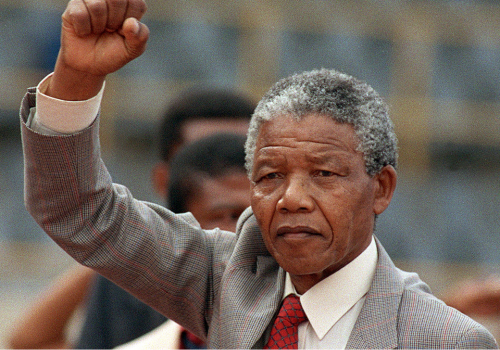
Quick Biography
| Information | Details |
|---|---|
| Full Name | Nelson Rolihlahla Mandela |
| Nickname | Madiba |
| Gender | Male |
| Age | Passed Away (1918–2013) |
| Date of Birth | July 18, 1918 |
| Profession | Politician, Activist, Lawyer |
| Nationality | South African |
| Birth Place | Mvezo, Eastern Cape, South Africa |
| Religion | Christianity |
| Famous For | Fighting Apartheid and Becoming South Africa’s First Black President |
| Known As | Father of Modern South Africa |
| Political Party | African National Congress (ANC) |
| Legacy | Symbol of Freedom, Equality, and Reconciliation |
Introduction
The legacy of Nelson Mandela is one of courage, sacrifice, leadership, and hope. Few leaders in modern history have inspired the world as deeply as Nelson Mandela.
For decades, he fought against apartheid, a system of racial segregation that denied basic rights to millions of South Africans. Despite facing imprisonment, hardship, and political challenges, Mandela remained committed to justice and equality.
His journey from political activist to president transformed South Africa and inspired freedom movements around the world.
Today, Nelson Mandela is remembered not only as a political leader but also as a global symbol of peace, forgiveness, and human dignity.
This article explores the life, achievements, and lasting legacy of Nelson Mandela.
Early Life and Childhood


He belonged to the Thembu royal family and grew up learning traditional values, leadership, and community responsibility.
As a child, Mandela listened to stories about African leaders who fought for their people and defended justice.
These stories influenced his character and inspired his desire to help others.
Although his early life was modest, he developed strong values that would guide him throughout his career.
Education and Personal Growth
Education played a major role in shaping Mandela’s future.
He attended local schools and later pursued higher education.
Skills Developed Through Education
| Skill | Benefit |
|---|---|
| Critical Thinking | Better Decision Making |
| Communication | Leadership Development |
| Law Studies | Understanding Justice |
| Discipline | Personal Growth |
| Knowledge | Social Awareness |
Mandela believed education was one of the most powerful tools for changing society.
This belief remained central to his vision throughout his life.
Becoming Interested in Politics
As Mandela grew older, he became increasingly aware of racial inequality in South Africa.
At the time, many Black South Africans faced discrimination, limited opportunities, and restrictions on their rights.
These injustices motivated him to become involved in political activism.
He believed every person deserved equality and dignity regardless of race.
His commitment to justice eventually led him into public life and political organizing.
The Fight Against Apartheid
One of the most important chapters in Mandela’s life was his struggle against apartheid.
Apartheid was a system that legally separated people based on race.
Effects of Apartheid
| Issue | Impact |
|---|---|
| Racial Segregation | Social Division |
| Limited Rights | Inequality |
| Restricted Opportunities | Economic Challenges |
| Political Exclusion | Lack of Representation |
| Discrimination | Social Injustice |
Mandela believed apartheid was unjust and worked to bring change through activism and political action.
His efforts made him one of the most prominent voices in South Africa’s freedom movement.
Joining the African National Congress


Mandela joined the African National Congress (ANC), a political organization dedicated to fighting racial discrimination.
Through the ANC, he worked alongside other activists who sought equal rights for all South Africans.
Goals of the Movement
| Goal | Purpose |
|---|---|
| Equality | Fair Treatment |
| Voting Rights | Political Representation |
| Freedom | Human Rights |
| Justice | Social Change |
| Opportunity | Better Future |
The movement grew stronger as more people joined the struggle for freedom.
Arrest and Imprisonment
Mandela’s activism eventually led to his arrest.
He was sentenced to prison and spent many years behind bars.


Although imprisonment was difficult, Mandela remained committed to his principles.
Challenges During Imprisonment
| Challenge | Response |
|---|---|
| Isolation | Mental Strength |
| Hard Labor | Determination |
| Limited Freedom | Resilience |
| Political Pressure | Courage |
| Uncertainty | Hope |
His ability to remain strong during difficult circumstances earned respect around the world.
Becoming a Symbol of Freedom
During his years in prison, Mandela became a global symbol of resistance against injustice.
People across many countries supported calls for his release.
Why Mandela Inspired People
| Quality | Impact |
|---|---|
| Courage | Motivation |
| Integrity | Trust |
| Sacrifice | Respect |
| Leadership | Influence |
| Hope | Inspiration |
His reputation continued to grow even while he remained imprisoned.
Release From Prison


After spending 27 years in prison, Mandela was released.
His release became one of the most significant moments in modern history.
People around the world celebrated the event.
Many hoped his freedom would lead to a more equal and peaceful South Africa.
Mandela immediately began working toward reconciliation and democratic reform.
His focus remained on building a better future rather than seeking revenge.
Negotiating a New South Africa
Following his release, Mandela worked with political leaders to help end apartheid peacefully.
Priorities During Negotiations
| Priority | Goal |
|---|---|
| Democracy | Fair Elections |
| Equality | Equal Rights |
| Peace | National Stability |
| Reconciliation | Unity |
| Development | Economic Progress |
These negotiations helped lay the foundation for a democratic South Africa.
Mandela’s leadership played a critical role in this historic transition.
Becoming President of South Africa


In 1994, Nelson Mandela became South Africa’s first Black president.
This achievement marked a historic turning point for the country.
His election represented hope, freedom, and a new beginning.
As president, Mandela focused on:
- National unity
- Economic development
- Education
- Healthcare
- Reconciliation
His leadership helped guide South Africa through a period of major transformation.
Leadership Style
Mandela’s leadership style differed from many political leaders.
He emphasized cooperation, respect, and forgiveness.
Leadership Qualities
| Quality | Benefit |
|---|---|
| Humility | Public Trust |
| Courage | Strong Leadership |
| Vision | Long-Term Progress |
| Compassion | National Healing |
| Integrity | Respect |
These qualities helped him unite people from different backgrounds.
Promoting Reconciliation


One of Mandela’s greatest achievements was promoting reconciliation.
Instead of encouraging division, he called for unity and cooperation.
He believed lasting peace could only be achieved through understanding and forgiveness.
Benefits of Reconciliation
| Benefit | Impact |
|---|---|
| Unity | National Stability |
| Trust | Strong Communities |
| Cooperation | Development |
| Peace | Social Progress |
| Inclusion | Equal Opportunities |
His message continues inspiring leaders around the world.
Global Influence
Mandela’s influence extended far beyond South Africa.
He became one of the most respected figures in international politics.
Areas of Global Impact
| Area | Influence |
|---|---|
| Human Rights | Global Awareness |
| Democracy | Political Reform |
| Peacebuilding | Conflict Resolution |
| Leadership | Inspiration |
| Education | Social Development |
His example encouraged people everywhere to stand against injustice.
Interesting Facts About Nelson Mandela
| Fact | Details |
|---|---|
| Birth Year | 1918 |
| Birth Place | Mvezo, South Africa |
| Profession | Lawyer and Politician |
| Famous Title | Father of Modern South Africa |
| Years in Prison | 27 Years |
| Presidency | First Black President of South Africa |
| Nobel Prize | Peace Prize Winner |
| Legacy | Freedom and Equality |
Lessons From Nelson Mandela’s Life
Never Give Up
Persistence can overcome enormous challenges.
Believe in Justice
Fighting for fairness creates positive change.
Forgiveness Matters
Reconciliation strengthens societies.
Education Is Powerful
Knowledge creates opportunities.
Lead With Integrity
Strong values build lasting respect.
These lessons continue inspiring people across the globe.
Awards and Recognition
Throughout his life, Mandela received numerous honors and awards.
His achievements were recognized by governments, organizations, and communities around the world.
These honors reflected his contributions to freedom, democracy, and peace.
His influence remains strong even years after his passing.
Legacy and Lasting Impact


Nelson Mandela’s legacy continues to shape the world today.
His efforts helped transform South Africa into a democratic nation and inspired movements for equality worldwide.
Millions of people continue studying his leadership principles and commitment to justice.
His life demonstrates how courage, perseverance, and compassion can change history.
Future generations will continue learning from his example and carrying forward his message of freedom and unity.
Why Nelson Mandela Is Remembered as a Great Leader
Key Reasons Behind His Legacy
| Reason | Impact |
|---|---|
| Courage | Resistance Against Injustice |
| Leadership | National Transformation |
| Forgiveness | Reconciliation |
| Vision | Democratic Progress |
| Integrity | Global Respect |
These qualities helped make him one of the most admired leaders in modern history.
Conclusion
The legacy of Nelson Mandela is a powerful story of courage, sacrifice, and leadership.
From his early life in South Africa to his role as a global symbol of freedom, Mandela dedicated his life to justice and equality.
His fight against apartheid transformed a nation and inspired people across the world.
More importantly, his commitment to reconciliation showed that peace and unity are possible even after years of conflict.
Today, Nelson Mandela remains a symbol of hope, dignity, and human rights.
His life reminds us that one person, guided by strong values and determination, can change the course of history and leave a lasting impact on future generations