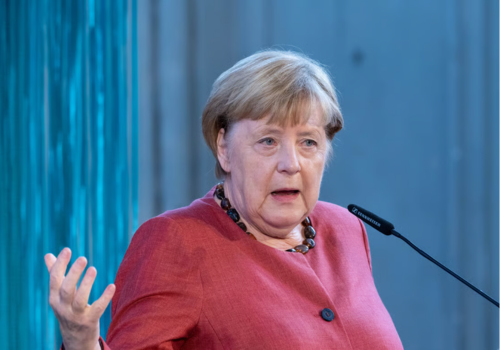
Angela Merkel: Europe’s Powerful Leader
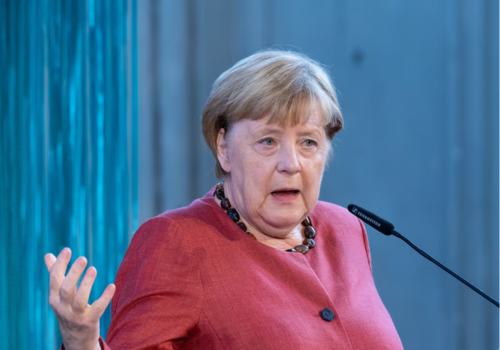
Quick Biography
| Information | Details |
|---|---|
| Full Name | Angela Dorothea Merkel |
| Nickname | Angela Merkel |
| Gender | Female |
| Age | 71 (as of 2026) |
| Date of Birth | July 17, 1954 |
| Profession | Politician, Scientist |
| Nationality | German |
| Birth Place | Hamburg, West Germany |
| Religion | Christianity |
| Famous For | Serving as Chancellor of Germany |
| Known As | Europe’s Most Powerful Leader |
| Political Party | Christian Democratic Union (CDU) |
| Education | Physics |
| Legacy | Stability, Leadership, and European Unity |
Introduction
The story of Angela Merkel is one of intelligence, determination, and exceptional leadership. Over the course of her political career, Merkel became one of the most influential leaders in Europe and one of the most respected political figures in the world.
As Chancellor of Germany for sixteen years, she guided the country through economic challenges, political changes, and international crises. Her calm decision-making and practical leadership style earned her widespread respect both within Germany and across the globe.
Many people viewed Merkel as a symbol of stability during uncertain times.
Today, Angela Merkel is remembered as one of the most successful leaders in modern European history.
This article explores her life, political career, achievements, and lasting legacy.
Early Life and Childhood


Angela Merkel was born on July 17, 1954, in Hamburg, West Germany.
Shortly after her birth, her family moved to East Germany, where she spent most of her childhood.
Growing up during the Cold War gave Merkel a unique perspective on politics, society, and government.
As a student, she showed a strong interest in science and academics.
Teachers recognized her intelligence, discipline, and ability to solve complex problems.
These qualities would later become important assets in her political career.
Education and Scientific Background
Education played a major role in Merkel’s development.
Unlike many politicians, she initially pursued a career in science rather than politics.
Academic Strengths
| Skill | Benefit |
|---|---|
| Analytical Thinking | Better Decision Making |
| Research Skills | Problem Solving |
| Discipline | Professional Success |
| Scientific Knowledge | Logical Approach |
| Communication | Leadership Development |
Merkel studied physics and later worked as a scientist.
Her scientific background helped shape her methodical and evidence-based approach to leadership.
Life in East Germany


Living in East Germany exposed Merkel to a different political and social system than that of Western Europe.
The country was part of the Eastern Bloc during the Cold War.
These experiences influenced her understanding of freedom, democracy, and political reform.
Lessons Learned
| Experience | Impact |
|---|---|
| Life Under Division | Appreciation for Unity |
| Education | Personal Growth |
| Scientific Work | Critical Thinking |
| Social Change | Political Awareness |
| Discipline | Leadership Development |
These lessons would later influence her political philosophy.
Entering Politics
The fall of the Berlin Wall and the reunification of Germany created new opportunities for political participation.


Merkel became involved in politics during this historic period.
She quickly gained recognition for her intelligence, professionalism, and dedication.
Many senior political figures noticed her potential.
Her ability to understand complex issues helped her advance rapidly.
Rising Through the Political Ranks
Merkel’s political career progressed steadily as she took on increasingly important responsibilities.
Reasons for Her Success
| Factor | Impact |
|---|---|
| Intelligence | Strong Decision Making |
| Hard Work | Career Advancement |
| Communication | Public Support |
| Adaptability | Political Growth |
| Leadership | Greater Responsibility |
Her reputation continued to grow within German politics.
Over time, she became one of the country’s most influential political figures.
Becoming Leader of the CDU


One of the most important milestones in Merkel’s career was becoming leader of the Christian Democratic Union (CDU).
Leading a major political party required strategic thinking, organization, and public trust.
Responsibilities as Party Leader
| Responsibility | Importance |
|---|---|
| Policy Development | Political Direction |
| Party Leadership | Organizational Strength |
| Public Communication | Voter Support |
| Election Strategy | Political Success |
| Team Building | Strong Leadership |
Her leadership strengthened the party and increased her national profile.
Becoming Chancellor of Germany
In 2005, Angela Merkel became Chancellor of Germany.


This achievement was historic.
She became Germany’s first female chancellor and one of the most influential leaders in Europe.
As chancellor, Merkel focused on:
- Economic stability
- International cooperation
- National development
- European unity
- Long-term planning
Her leadership quickly earned international recognition.
Managing Economic Challenges
One of Merkel’s most important responsibilities was guiding Germany through economic uncertainty.
Economic Priorities
| Priority | Goal |
|---|---|
| Stability | Strong Economy |
| Employment | Job Growth |
| Investment | Development |
| Innovation | Competitiveness |
| Fiscal Responsibility | Sustainable Growth |
Many observers praised her pragmatic approach to economic management.
Her leadership helped Germany maintain a strong position within Europe.
Leadership During European Crises


Throughout her time as chancellor, Merkel faced numerous challenges affecting Europe.
These included economic issues, political disagreements, and international uncertainties.
Challenges Faced
| Challenge | Response |
|---|---|
| Economic Issues | Cooperation |
| Political Disputes | Negotiation |
| International Tensions | Diplomacy |
| Social Challenges | Policy Reform |
| Uncertainty | Stability |
Her ability to manage difficult situations contributed to her reputation as a dependable leader.
A Key Figure in the European Union
Merkel became one of the most influential voices within the European Union.
Areas of Influence
| Area | Impact |
|---|---|
| Diplomacy | International Cooperation |
| Economy | European Stability |
| Policy | Long-Term Planning |
| Leadership | Global Respect |
| Unity | Stronger Partnerships |
Many leaders viewed her as a central figure in European decision-making.
Her influence often extended beyond Germany itself.
Leadership Style


Angela Merkel’s leadership style was often described as calm, practical, and analytical.
Rather than relying on dramatic speeches, she focused on careful planning and evidence-based decisions.
Leadership Qualities
| Quality | Benefit |
|---|---|
| Patience | Better Decisions |
| Intelligence | Strategic Thinking |
| Humility | Public Trust |
| Discipline | Consistency |
| Adaptability | Long-Term Success |
These qualities helped her maintain public confidence throughout her career.
Global Recognition
As her influence grew, Merkel became one of the world’s most respected leaders.
She regularly participated in international meetings and discussions involving major global issues.
Areas of Global Impact
| Area | Influence |
|---|---|
| International Relations | Diplomacy |
| Economic Policy | Global Markets |
| Climate Discussions | Environmental Cooperation |
| Security Issues | Strategic Leadership |
| European Affairs | Regional Stability |
Her contributions earned recognition from governments and organizations around the world.
Interesting Facts About Angela Merkel
| Fact | Details |
|---|---|
| Birth Year | 1954 |
| Birth Place | Hamburg, Germany |
| Profession | Politician and Scientist |
| Education | Physics |
| Political Party | CDU |
| Historic Achievement | First Female Chancellor of Germany |
| Years as Chancellor | 16 Years |
| Legacy | European Leadership |
Lessons From Angela Merkel’s Success
Stay Calm Under Pressure
Good decisions often require patience.
Value Education
Knowledge creates opportunities.
Lead With Integrity
Trust is essential in leadership.
Think Long Term
Sustainable progress requires planning.
Adapt to Change
Flexibility helps leaders succeed.
These lessons continue inspiring people around the world.
Legacy and Lasting Impact


Angela Merkel’s legacy extends far beyond Germany.
Her leadership influenced European politics, international diplomacy, and economic policy for more than a decade.
Many historians consider her one of the most important European leaders of the 21st century.
Her commitment to stability, cooperation, and pragmatic governance helped shape modern Europe.
Future generations will continue studying her leadership style and political achievements.
Why Angela Merkel Became Europe’s Powerful Leader
Key Reasons Behind Her Success
| Reason | Impact |
|---|---|
| Intelligence | Better Decision Making |
| Scientific Background | Analytical Thinking |
| Leadership Skills | Political Success |
| Diplomacy | International Influence |
| Stability | Public Confidence |
These qualities helped establish her as one of the most influential leaders in modern European history.
Conclusion
The story of Angela Merkel is an inspiring example of dedication, intelligence, and leadership.
From her early years in East Germany to becoming Chancellor of Germany and one of Europe’s most powerful leaders, she consistently demonstrated professionalism and determination.
Her scientific background, calm decision-making, and commitment to public service helped her navigate complex political challenges.
During her sixteen years as chancellor, she played a major role in shaping Germany’s future and influencing European affairs.
Today, Angela Merkel remains a symbol of stability, responsibility, and effective leadership.
Her legacy continues to inspire political leaders, students, and citizens around the world who value thoughtful leadership and long-term vision