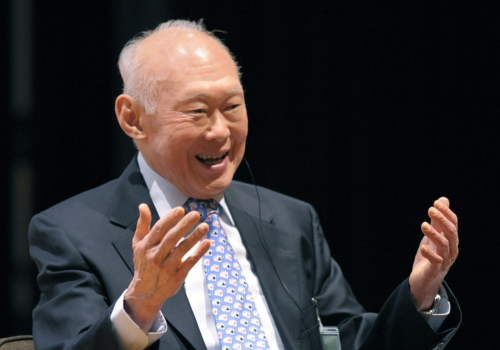
The Leadership Journey of Lee Kuan Yew
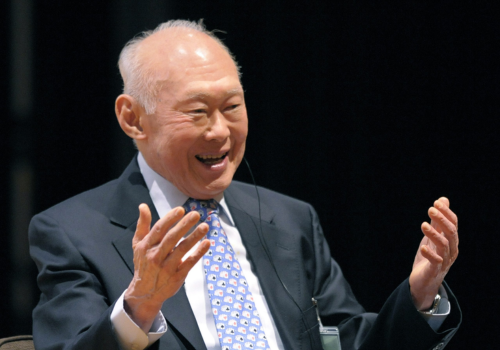
Quick Biography
| Information | Details |
|---|---|
| Full Name | Lee Kuan Yew |
| Nickname | LKY |
| Gender | Male |
| Age | Passed Away (1923–2015) |
| Date of Birth | September 16, 1923 |
| Profession | Politician, Lawyer |
| Nationality | Singaporean |
| Birth Place | Singapore |
| Religion | Not Publicly Specified |
| Famous For | Founding Prime Minister of Singapore |
| Known As | Architect of Modern Singapore |
| Political Party | People’s Action Party (PAP) |
| Legacy | Transforming Singapore into a Global Economic Power |
Introduction
The leadership journey of Lee Kuan Yew is one of the most remarkable political success stories in modern history. Few leaders have had as much influence on their nation’s development as Lee Kuan Yew had on Singapore.
When Singapore became independent in the 1960s, it faced serious challenges including limited natural resources, unemployment, housing shortages, and economic uncertainty. Many observers doubted whether the small nation could survive on its own.
However, under Lee Kuan Yew’s leadership, Singapore transformed into one of the world’s most successful economies.
His vision, determination, and long-term planning helped build a nation known for stability, innovation, and prosperity.
Today, Lee Kuan Yew is widely regarded as one of the greatest political leaders of the twentieth century.
This article explores his life, leadership journey, achievements, and lasting legacy.
Early Life and Childhood


Lee Kuan Yew was born on September 16, 1923, in Singapore.
He grew up during a period when Singapore was under British colonial rule.
As a child, he demonstrated strong academic abilities and a passion for learning.
His family valued education and encouraged intellectual development.
These early experiences helped shape his future ambitions and leadership qualities.
Lee’s childhood exposed him to different cultures and communities, which later influenced his vision for a multicultural Singapore.
Education and Academic Excellence
Education played a central role in Lee Kuan Yew’s success.
He consistently performed well academically and developed a strong interest in law, politics, and public affairs.
Academic Strengths
| Skill | Benefit |
|---|---|
| Critical Thinking | Better Decisions |
| Communication | Leadership Development |
| Legal Knowledge | Political Understanding |
| Discipline | Academic Success |
| Problem Solving | Strategic Planning |
His dedication to education prepared him for a future in public service.
Studying Law


Lee pursued legal studies and developed a deep understanding of governance, justice, and public policy.
Studying law helped him strengthen important skills such as:
- Analytical thinking
- Negotiation
- Public speaking
- Leadership
- Strategic planning
These skills would later become essential during his political career.
His legal training gave him the confidence to address complex national challenges.
Singapore During Difficult Times
The period surrounding World War II significantly influenced Lee’s worldview.


Experiencing political uncertainty and conflict taught him valuable lessons about national security, resilience, and governance.
Lessons Learned
| Experience | Impact |
|---|---|
| Political Instability | Importance of Strong Leadership |
| Economic Challenges | Need for Development |
| Social Changes | National Unity |
| Wartime Hardships | Resilience |
| Global Events | Strategic Thinking |
These experiences shaped many of his future policies.
Entering Politics
Following his education, Lee Kuan Yew became increasingly interested in politics.
He believed Singapore needed effective leadership and long-term planning.
Reasons for Entering Politics
| Reason | Goal |
|---|---|
| National Development | Better Future |
| Economic Growth | Prosperity |
| Social Stability | Unity |
| Independence | Self-Governance |
| Opportunity | National Progress |
His commitment to public service quickly earned attention.
Many people viewed him as a capable and visionary leader.
Founding the People’s Action Party


One of the most important milestones in Lee’s career was helping establish the People’s Action Party (PAP).
The party focused on national development, good governance, and economic progress.
Goals of the PAP
| Goal | Purpose |
|---|---|
| Economic Development | Job Creation |
| Education | Human Capital |
| Housing | Better Living Standards |
| Unity | Social Stability |
| Governance | Effective Administration |
The party would eventually become one of the most influential political organizations in Singapore.
Becoming Prime Minister
A major turning point came when Lee Kuan Yew became Singapore’s first Prime Minister.


His leadership began during a period of significant uncertainty.
Singapore faced challenges such as:
- Limited resources
- Unemployment
- Housing shortages
- Economic difficulties
- Regional tensions
Many questioned whether the country could succeed as an independent nation.
Lee accepted the challenge and focused on building a stronger future.
Building Modern Singapore
One of Lee Kuan Yew’s greatest achievements was transforming Singapore into a modern and prosperous nation.
Key Development Areas
| Area | Objective |
|---|---|
| Economy | Sustainable Growth |
| Education | Skilled Workforce |
| Infrastructure | Modern Development |
| Housing | Better Living Conditions |
| Governance | Efficient Institutions |
These efforts helped improve living standards and create opportunities for citizens.
Economic Transformation


Economic development became one of Lee’s highest priorities.
He worked to attract investment, encourage business growth, and create employment opportunities.
Economic Success Factors
| Factor | Impact |
|---|---|
| Investment | Job Creation |
| Trade | Economic Expansion |
| Infrastructure | Business Growth |
| Education | Skilled Workforce |
| Stability | Investor Confidence |
Over time, Singapore became one of the world’s leading financial and business centers.
Focus on Education
Lee believed education was essential for national success.
Educational Priorities
| Priority | Benefit |
|---|---|
| Quality Schools | Better Learning |
| Skills Development | Career Opportunities |
| Innovation | Economic Growth |
| Literacy | Social Progress |
| Excellence | Global Competitiveness |
His investment in education helped prepare future generations for success.
Today, Singapore is widely recognized for its strong education system.
Housing and Urban Development


Housing was another major priority.
Benefits of Housing Policies
| Benefit | Impact |
|---|---|
| Home Ownership | Financial Security |
| Better Living Conditions | Higher Quality of Life |
| Community Development | Social Stability |
| Urban Planning | Efficient Cities |
| Growth | National Development |
These efforts transformed Singapore’s urban landscape.
Leadership Style
Lee Kuan Yew became known for his disciplined and results-oriented leadership style.
Leadership Qualities
| Quality | Benefit |
|---|---|
| Vision | Long-Term Success |
| Discipline | Consistency |
| Determination | Goal Achievement |
| Pragmatism | Effective Policies |
| Strategic Thinking | National Progress |
His leadership focused on practical solutions and measurable outcomes.
International Influence


As Singapore’s success grew, Lee gained international recognition.
Leaders around the world studied Singapore’s development model.
Areas of Influence
| Area | Impact |
|---|---|
| Economic Policy | Global Interest |
| Governance | Leadership Lessons |
| Education | International Recognition |
| Urban Planning | Development Model |
| Diplomacy | Global Respect |
His ideas influenced policymakers in many countries.
Challenges Along the Way
No leadership journey is without challenges.
Throughout his career, Lee faced numerous obstacles.
Major Challenges
| Challenge | Response |
|---|---|
| Economic Uncertainty | Strategic Planning |
| Limited Resources | Innovation |
| Social Diversity | National Unity |
| Global Competition | Competitiveness |
| Political Pressures | Strong Governance |
His ability to address these issues contributed to Singapore’s success.
Interesting Facts About Lee Kuan Yew
| Fact | Details |
|---|---|
| Birth Year | 1923 |
| Birth Place | Singapore |
| Profession | Politician and Lawyer |
| Position | Founding Prime Minister |
| Political Party | PAP |
| Famous For | Modernizing Singapore |
| Leadership Period | Several Decades |
| Legacy | Nation Building |
Lessons From Lee Kuan Yew’s Success
Think Long Term
Great achievements require patience.
Invest in Education
Knowledge drives progress.
Focus on Results
Effective leadership produces measurable improvements.
Adapt to Challenges
Flexibility helps nations grow.
Build Strong Institutions
Stable systems support long-term success.
These lessons continue inspiring leaders around the world.
Legacy and Lasting Impact


Lee Kuan Yew’s legacy remains visible throughout modern Singapore.
The country he helped build is known for its strong economy, modern infrastructure, quality education, and efficient governance.
Many historians consider him one of the most influential nation-builders of the modern era.
His leadership transformed a small island nation into a globally respected economic powerhouse.
Future generations will continue studying his policies and leadership strategies.
Why Lee Kuan Yew Is Remembered as a Great Leader
Key Reasons Behind His Success
| Reason | Impact |
|---|---|
| Vision | National Transformation |
| Education Policies | Skilled Workforce |
| Economic Planning | Prosperity |
| Strong Governance | Stability |
| Leadership | Global Respect |
These qualities helped establish his reputation as one of the world’s most successful leaders.
Conclusion
The leadership journey of Lee Kuan Yew is a remarkable story of vision, determination, and nation-building.
From his early years in colonial Singapore to becoming the country’s founding prime minister, he dedicated his life to creating a better future for his people.
Through economic reforms, educational investments, housing development, and strong governance, he transformed Singapore into one of the world’s most successful nations.
His leadership demonstrated the power of long-term planning and disciplined decision-making.
Today, Lee Kuan Yew is remembered as the architect of modern Singapore and one of the most influential political leaders of the twentieth century.
His legacy continues to inspire governments, business leaders, and citizens around the world who seek to build prosperous and stable societies.