The Story of Franklin D. Roosevelt
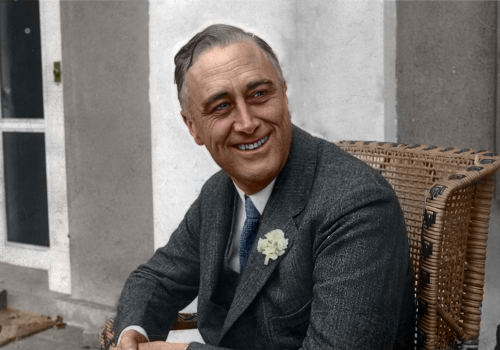
Quick Biography
| Information | Details |
|---|---|
| Full Name | Franklin Delano Roosevelt |
| Nickname | FDR |
| Gender | Male |
| Age | Passed Away (1882–1945) |
| Date of Birth | January 30, 1882 |
| Profession | Politician, Lawyer |
| Nationality | American |
| Birth Place | Hyde Park, New York, United States |
| Religion | Christianity |
| Famous For | 32nd President of the United States |
| Known As | Leader During the Great Depression and World War II |
| Political Party | Democratic Party |
| Legacy | One of America’s Most Influential Presidents |
Introduction
The story of Franklin D. Roosevelt is one of resilience, leadership, and determination.
He led the United States through two of the most difficult periods in modern history: the Great Depression and World War II. During these crises, Roosevelt introduced policies designed to support economic recovery, strengthen public confidence, and guide the nation through uncertainty.
His ability to communicate with citizens and inspire hope made him one of the most respected political leaders of the twentieth century.
This article explores his life, achievements, and lasting legacy.
Early Life and Childhood


He grew up in a well-educated family that encouraged learning and public service.
As a child, Roosevelt received strong educational opportunities and developed an interest in history, politics, and leadership.
His parents emphasized responsibility, discipline, and civic duty.
These values would later influence his approach to public service and government leadership.
Education and Academic Development
Education played a significant role in Roosevelt’s personal growth.
He attended respected schools and pursued higher education.
Skills Developed Through Education
| Skill | Benefit |
|---|---|
| Communication | Leadership Development |
| Critical Thinking | Better Decisions |
| History Knowledge | Political Understanding |
| Public Speaking | Public Engagement |
| Research | Problem Solving |
These abilities prepared him for a future career in politics.
Entering Public Service
Roosevelt developed an interest in government and public service at a young age.
He believed that effective leadership could improve people’s lives.
As he entered politics, he gained valuable experience working within government institutions.
Early Career Lessons
| Area | Benefit |
|---|---|
| Government | Policy Understanding |
| Leadership | Professional Growth |
| Public Service | Community Impact |
| Communication | Voter Connection |
| Strategy | Political Development |
These experiences helped build the foundation for his future success.
Overcoming Personal Challenges
One of the most remarkable parts of Roosevelt’s story was his ability to overcome serious personal challenges.
In adulthood, he experienced a health condition that affected his mobility.


Despite these difficulties, Roosevelt refused to give up on his ambitions.
Lessons From Personal Challenges
| Challenge | Response |
|---|---|
| Physical Limitations | Determination |
| Public Scrutiny | Confidence |
| Political Obstacles | Persistence |
| Uncertainty | Optimism |
| Hardship | Resilience |
His perseverance inspired many people across the nation.
Becoming Governor of New York
Roosevelt’s political career continued to grow.
He eventually became Governor of New York, one of the most important leadership positions in the state.
Priorities as Governor
| Priority | Goal |
|---|---|
| Public Welfare | Community Support |
| Economic Development | Growth |
| Government Efficiency | Better Services |
| Infrastructure | Improvement |
| Leadership | Public Trust |
His performance as governor increased his national reputation and prepared him for greater responsibilities.
The Great Depression


One of the most difficult periods in American history was the Great Depression.
The economic crisis affected millions of people.
Many families faced unemployment, financial hardship, and uncertainty.
Effects of the Great Depression
| Issue | Impact |
|---|---|
| Unemployment | Financial Difficulties |
| Business Closures | Economic Slowdown |
| Poverty | Social Challenges |
| Reduced Spending | Market Decline |
| Uncertainty | Public Concern |
During this challenging period, Roosevelt emerged as a national leader.
Becoming President of the United States
His election brought hope to many Americans seeking solutions to economic challenges.


As president, he promised action, reform, and recovery.
His leadership would soon shape the future of the nation.
The New Deal
One of Roosevelt’s most famous achievements was the New Deal.
The New Deal consisted of programs and reforms designed to support economic recovery.
Goals of the New Deal
| Goal | Purpose |
|---|---|
| Relief | Help Families |
| Recovery | Economic Improvement |
| Reform | Stronger Institutions |
| Employment | Job Creation |
| Stability | Public Confidence |
These programs played an important role in addressing the challenges of the Great Depression.
Communicating With the Public
Roosevelt became known for his ability to communicate directly with citizens.
His radio broadcasts helped explain government policies and provide reassurance.
Why His Communication Was Effective
| Quality | Benefit |
|---|---|
| Clarity | Better Understanding |
| Confidence | Public Trust |
| Empathy | Strong Connection |
| Honesty | Credibility |
| Leadership | National Unity |
His communication style helped strengthen public confidence during difficult times.
Leading During World War II


Another major challenge during Roosevelt’s presidency was World War II.
The conflict affected countries around the world and required strong leadership.
As president, Roosevelt worked with allies and guided the United States through the war years.
Wartime Priorities
| Priority | Purpose |
|---|---|
| National Security | Protection |
| Economic Production | Support Efforts |
| International Cooperation | Allied Success |
| Public Morale | National Unity |
| Strategic Planning | Effective Leadership |
His leadership during the war strengthened his place in history.
International Influence
Roosevelt’s influence extended beyond the United States.
He played an important role in international diplomacy and cooperation.
Areas of Global Impact
| Area | Influence |
|---|---|
| Diplomacy | International Relations |
| Peace Efforts | Global Stability |
| Economic Policy | Recovery Programs |
| Leadership | Global Recognition |
| Cooperation | Allied Partnerships |
Many world leaders respected his ability to navigate complex global challenges.
Leadership Style


Roosevelt’s leadership style combined optimism, confidence, and determination.
Leadership Qualities
| Quality | Benefit |
|---|---|
| Optimism | Public Confidence |
| Resilience | Crisis Management |
| Communication | Public Support |
| Vision | Long-Term Planning |
| Adaptability | Effective Governance |
These qualities helped him lead during periods of extraordinary difficulty.
Interesting Facts About Franklin D. Roosevelt
| Fact | Details |
|---|---|
| Birth Year | 1882 |
| Birth Place | Hyde Park, New York |
| Profession | Politician and Lawyer |
| Presidency | 32nd President |
| Political Party | Democratic Party |
| Famous Program | New Deal |
| Historical Role | Great Depression and WWII Leader |
| Legacy | Influential American President |
Lessons From Franklin D. Roosevelt’s Life
Never Give Up
Challenges can be overcome with determination.
Lead During Difficult Times
Strong leadership matters most during crises.
Communicate Clearly
People value honest and direct communication.
Stay Optimistic
Hope can inspire positive action.
Serve Others
Public service can create lasting change.
These lessons continue inspiring leaders around the world.
Awards and Historical Recognition


Roosevelt remains one of the most studied and respected figures in American history.
Historians frequently rank him among the most influential U.S. presidents because of his leadership during major national crises.
His contributions continue to be discussed in universities, leadership programs, and historical research.
His legacy remains relevant decades after his presidency.
Legacy and Lasting Impact


The legacy of Franklin D. Roosevelt extends far beyond his years in office.
His efforts to address economic hardship, strengthen government institutions, and lead during wartime had a lasting impact on the United States.
Millions of Americans benefited from programs introduced during his presidency.
His leadership demonstrated the importance of resilience, vision, and public service.
Future generations continue learning from his example and studying his approach to leadership.
Why Franklin D. Roosevelt Is Remembered as a Great Leader
Key Reasons Behind His Legacy
| Reason | Impact |
|---|---|
| Crisis Leadership | National Stability |
| Communication Skills | Public Confidence |
| Economic Reforms | Recovery Efforts |
| Wartime Leadership | Global Influence |
| Resilience | Lasting Inspiration |
These qualities helped establish Roosevelt as one of the most respected leaders in modern history.
Conclusion
The story of Franklin D. Roosevelt is one of perseverance, leadership, and service.
From his early years in New York to his leadership during the Great Depression and World War II, Roosevelt consistently demonstrated courage and determination.
Despite facing personal and national challenges, he remained committed to helping his country move forward.
His New Deal programs, communication skills, and wartime leadership shaped American history and influenced future generations of leaders.
Today, Franklin D. Roosevelt is remembered as a symbol of resilience and effective leadership.
His legacy continues to inspire people around the world and serves as a reminder that strong leadership can help nations overcome even the most difficult challenges.