How Vladimir Putin Rose to Power
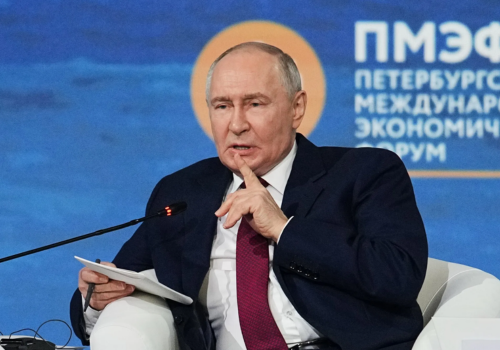
Quick Biography
| Information | Details |
|---|---|
| Full Name | Vladimir Vladimirovich Putin |
| Nickname | Vladimir Putin |
| Gender | Male |
| Age | 73 (as of 2026) |
| Date of Birth | October 7, 1952 |
| Profession | Politician, Former Intelligence Officer |
| Nationality | Russian |
| Birth Place | Leningrad (now Saint Petersburg), Russia |
| Religion | Russian Orthodox Christianity |
| Famous For | Long-Term Leadership of Russia |
| Known As | One of the Most Influential Political Leaders of the 21st Century |
| Political Party | United Russia |
| Current Role | President of Russia |
Introduction
The rise of Vladimir Putin is one of the most remarkable political stories of modern times. From his early days in Leningrad to becoming one of the world’s most influential leaders, Putin’s journey has shaped Russian politics for more than two decades.
His rise to power occurred during a period of major change in Russia. The collapse of the Soviet Union created political and economic challenges that transformed the country.
Amid this uncertain environment, Putin emerged as a leader who promised stability, stronger government institutions, and national development.
Over time, he became one of the most recognizable figures in global politics.
This article explores how Vladimir Putin rose to power and the key events that shaped his political career.
Early Life and Childhood


Vladimir Putin was born on October 7, 1952, in Leningrad, a city now known as Saint Petersburg.
He grew up during the Soviet era, a time when the Soviet Union was one of the world’s most powerful countries.
His family lived modestly, and like many children of his generation, he learned the value of discipline and hard work.
As a student, Putin showed an interest in academics, sports, and public service.
These experiences helped shape his character and future ambitions.
Education and Personal Development
Education played an important role in Putin’s early life.
He pursued higher education and focused on subjects related to law and government.
Skills Developed Through Education
| Skill | Benefit |
|---|---|
| Legal Knowledge | Understanding Government |
| Discipline | Professional Growth |
| Communication | Leadership Development |
| Strategic Thinking | Decision Making |
| Analysis | Problem Solving |
His academic background provided a foundation for his future career in public service.
Entering Government Service


After completing his education, Putin entered government service.
During this period, he gained experience in administration, national affairs, and state institutions.
These early years taught him important lessons about leadership, organization, and government operations.
Lessons Learned
| Area | Benefit |
|---|---|
| Administration | Management Skills |
| Government | Policy Understanding |
| Strategy | Decision Making |
| Leadership | Professional Development |
| Public Service | National Perspective |
These experiences would later help him navigate Russian politics.
The Collapse of the Soviet Union
One of the most significant events affecting Putin’s career was the collapse of the Soviet Union in 1991.


The collapse created major political and economic changes.
Russia faced numerous challenges, including:
- Economic uncertainty
- Political reform
- Social changes
- Institutional restructuring
- International adjustments
This period of transition opened opportunities for new leaders to emerge.
Moving Into Politics
Following the Soviet Union’s collapse, Putin became increasingly involved in government and politics.
His administrative abilities and experience earned him greater responsibilities.
Factors Behind His Political Advancement
| Factor | Impact |
|---|---|
| Administrative Skills | Career Growth |
| Discipline | Professional Reputation |
| Leadership | Greater Responsibility |
| Experience | Government Trust |
| Strategic Thinking | Political Opportunities |
His reputation continued to grow as he worked within various government positions.
Building a National Profile


As Putin gained experience, he moved into increasingly important leadership roles.
His work attracted attention from senior political figures.
Many viewed him as an effective administrator capable of handling complex challenges.
This growing reputation helped expand his influence within the Russian government.
Over time, he became one of the country’s most important political figures.
Appointment to Senior Government Positions
During the late 1990s, Putin received several high-level government appointments.
These positions allowed him to demonstrate leadership on a national stage.
Responsibilities in Government
| Responsibility | Importance |
|---|---|
| Administration | Government Operations |
| Security | National Stability |
| Policy Implementation | Effective Governance |
| Coordination | Institutional Efficiency |
| Leadership | Public Confidence |
These roles increased his visibility across Russia.
Becoming Prime Minister


A major turning point came when Putin became Prime Minister of Russia.
The position placed him among the country’s most powerful leaders.
At the time, Russia faced important political and economic challenges.
His leadership style emphasized stability, order, and effective government management.
Many citizens viewed him as a leader capable of addressing national concerns.
This growing public support strengthened his political position.
Rising Public Popularity
As Prime Minister, Putin’s popularity increased significantly.
Several factors contributed to his growing public image.
Reasons for Popularity
| Factor | Impact |
|---|---|
| Strong Leadership | Public Confidence |
| Stability | National Support |
| Communication | Public Engagement |
| Decisiveness | Political Strength |
| Vision | Future Expectations |
Becoming President of Russia


At the end of the 1990s, Putin became President of Russia.
His election marked the beginning of a new chapter in Russian politics.
As president, he focused on:
- Economic development
- Government reform
- National security
- International relations
- Institutional stability
His presidency would eventually become one of the longest and most influential in modern Russian history.
Leadership Style
Putin developed a leadership style characterized by discipline, strategic planning, and strong executive decision-making.
Leadership Qualities
| Quality | Benefit |
|---|---|
| Determination | Goal Achievement |
| Discipline | Consistency |
| Strategic Thinking | Long-Term Planning |
| Confidence | Leadership Presence |
| Adaptability | Political Survival |
These qualities helped him maintain influence over many years.
Economic and Political Changes


During Putin’s leadership, Russia experienced significant political and economic developments.
Areas of Focus
| Area | Objective |
|---|---|
| Economy | Growth and Stability |
| Infrastructure | Modernization |
| Government | Institutional Strength |
| Security | National Protection |
| International Relations | Global Influence |
These efforts became important elements of his administration.
Global Influence
As Russia’s leader, Putin became one of the most influential figures in international politics.
His decisions attracted attention from governments and media around the world.
Areas of Influence
| Area | Impact |
|---|---|
| International Relations | Global Attention |
| Security | Strategic Importance |
| Diplomacy | Political Influence |
| Energy | Economic Significance |
| Leadership | Global Recognition |
His role helped shape many important international discussions.
Challenges Along the Way


Like all political leaders, Putin has faced numerous challenges.
These challenges included:
- Economic fluctuations
- Political opposition
- International tensions
- Governance issues
- Global crises
Lessons From Challenges
| Challenge | Response |
|---|---|
| Economic Issues | Policy Adjustments |
| Political Pressures | Leadership Decisions |
| International Relations | Diplomacy |
| Uncertainty | Strategic Planning |
| Competition | Adaptability |
Managing these issues required long-term planning and leadership.
Interesting Facts About Vladimir Putin
| Fact | Details |
|---|---|
| Birth Year | 1952 |
| Birth Place | Leningrad, Russia |
| Profession | Politician |
| Education | Law |
| Position | President of Russia |
| Nationality | Russian |
| Political Party | United Russia |
| Global Influence | International Politics |
Lessons From Vladimir Putin’s Rise
Value Discipline
Consistency helps build long-term success.
Develop Leadership Skills
Leadership requires continuous learning.
Adapt to Change
Political environments constantly evolve.
Understand Institutions
Knowledge of systems improves decision-making.
Think Strategically
Long-term planning can create opportunities.
These lessons are often discussed when examining political leadership.
Legacy and Historical Impact


Vladimir Putin’s political legacy remains one of the most discussed topics in modern international affairs.
Supporters often credit him with strengthening state institutions and increasing Russia’s global influence, while critics have raised concerns about various aspects of governance and political freedoms.
Regardless of perspective, his impact on Russian politics and international relations is significant.
His leadership has shaped Russia’s domestic policies, global role, and political direction for many years.
Future historians will continue analyzing his influence on both Russia and the broader international system.
Why Vladimir Putin Rose to Power
Key Factors Behind His Rise
| Factor | Impact |
|---|---|
| Government Experience | Professional Development |
| Leadership Skills | Public Confidence |
| Strategic Thinking | Political Advancement |
| Administrative Ability | National Recognition |
| Timing | Opportunity During Transition |
These factors contributed to his emergence as one of the most influential political leaders of the modern era.
Conclusion
The story of how Vladimir Putin rose to power is closely connected to one of the most important periods in Russian history.
From his early life in Leningrad to becoming President of Russia, he navigated political change, national transformation, and evolving global challenges.
His leadership emerged during a time when Russia was seeking stability and direction following the collapse of the Soviet Union.
Through government service, political experience, and growing public support, Putin established himself as a major figure in Russian politics.
Whether viewed through the lens of domestic leadership, international influence, or historical significance, his rise to power remains one of the most important political stories of the 21st century